
电制甲醇的工程考题:烟气二氧化碳的杂质处理与催化剂再生闭环Engineering exam question on electrochemical methanol: Impurity treatment of flue gas carbon dioxide and closed-loop catalyst regeneration
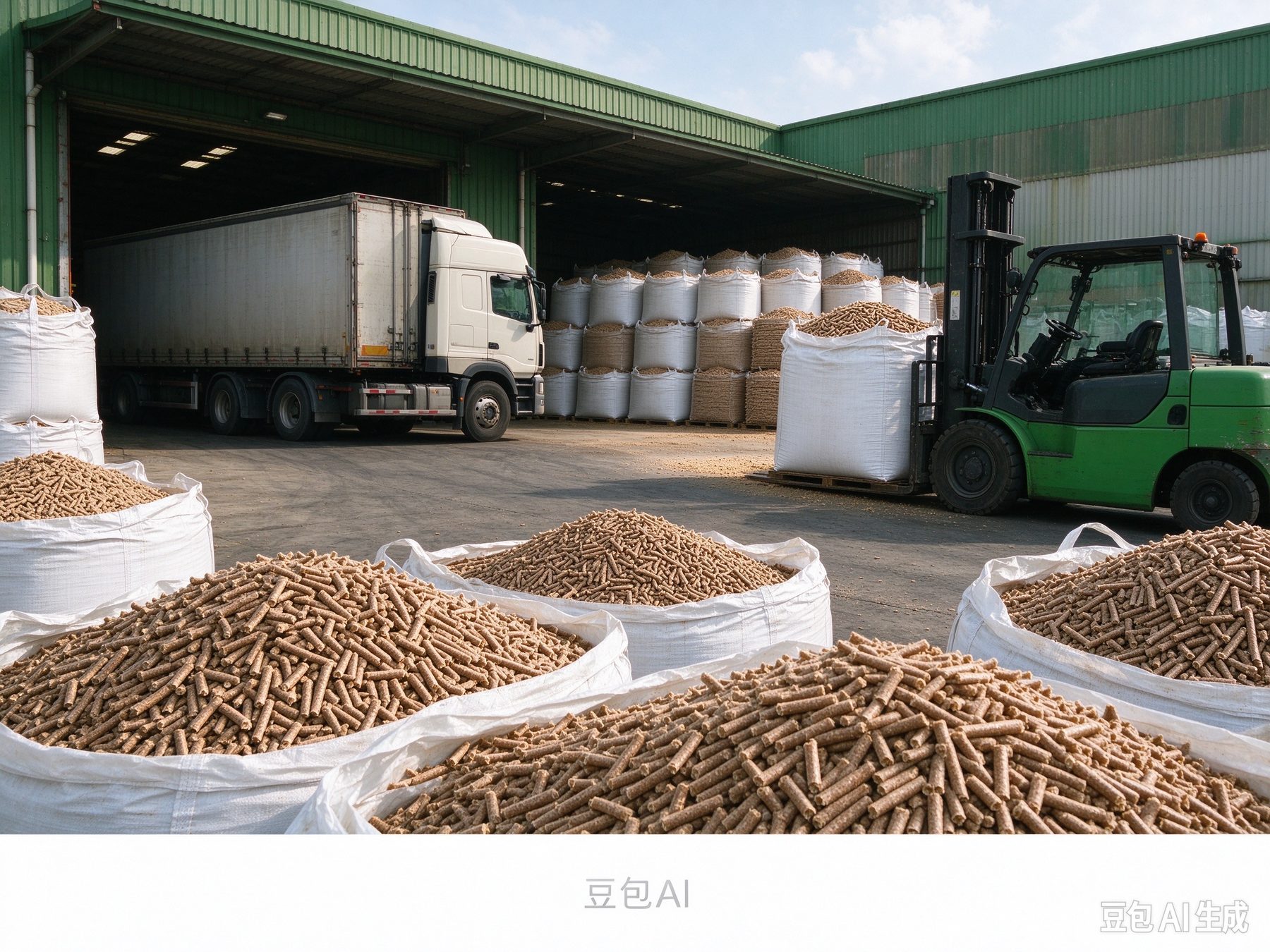
二氧化碳加氢制甲醇这件事,实验室里的难点和工厂里的难点根本不是同一个。实验室关心的是反应选择性、转化率与催化剂的活性表现;工业现场关心的是烟气里那几毫克硫氧化物和几十毫克氮氧化物会不会把催化剂表面占死,以及被占死之后能不能救回来。2026年10月,随着中国天楹辽源风光储氢氨醇一体化项目进入全面试生产,这条路线第一次在中规模装置上同时接受原料侧与合成侧的双重检验。跑通风光、绿氢、绿色甲醇的完整闭环是一个节点,但真正决定这条路线能否从示范走向放大的,是烟气处理与催化剂再生这两道工程关。
纯绿氢加二氧化碳路线:工艺链条在哪里闭合
先看物料闭环的构造。据2026年10月15日上海证券报报道,中国天楹旗下辽源天楹氢能科技有限公司的风光储氢氨醇一体化项目已进入全面试生产阶段,项目跑通了风光、绿氢、绿色甲醇的完整闭环,绿电、制氢、制醇等环节整体联动。公开信息显示,该项目采用纯绿氢加二氧化碳路线,原料与能源全部在本地闭环,秸秆焚烧发电产生的二氧化碳,与风电直供电解槽产出的绿氢共同转化为绿色甲醇。
按公开披露的口径,项目采用碱性电解水制氢工艺,依托风电绿电电解制氢,捕集生物质烟气中的二氧化碳合成绿色甲醇,全生命周期减碳幅度可达85%以上。项目整体规划新能源装机2.639吉瓦,一期可生产绿氢12万吨、绿甲醇17万吨,占地近2000亩,配套风电场及首期30万亩土地流转,构建农业、风电、输变电、余热利用、化工五大同步推进的业务板块,建成后将成为东北首个吉瓦级绿氢生产基地,也是国内首个采用纯绿氢加二氧化碳路线的规模化电制甲醇项目。项目整体总投资达286亿元。
这个物料闭环的技术含义值得单独点出。二氧化碳的来源被绑定在生物质烟气上,而不是外部采购的高纯气体,这一点决定了整个项目的成本结构与碳足迹属性。烟气二氧化碳的浓度低、杂质成分复杂、流量随焚烧工况波动,这与管道输送的高纯二氧化碳是两个完全不同的问题领域。换句话说,这不是一个采购难题,而是一个处理难题,而处理成本会直接写进每吨甲醇的现金成本里。
另一处节点是认证。公开信息显示,吉林天楹与安达天楹均已完成ISCC EU年度认证,公司已与国际头部能源巨头签订全球首单电制甲醇供货协议;按规划,公司2026年内将具备符合欧盟认证标准的电制甲醇生产能力,力争2030年形成百万吨级供货体量。据2026年10月15日上海证券报报道援引辽源市人民政府网站消息,10月13日辽源市委书记王雪峰、市长高飞会见中国天楹董事长严圣军一行,就项目推进情况进行座谈交流;严圣军表示,中国天楹将把辽源作为工作重心,加快启动项目二期建设。下游侧的验证也在同步推进:据2026年10月19日海德氢能发布的兴安盟600兆瓦绿氢旗舰工程阶段性运行成果,金风科技已与马士基、赫伯罗特、ONE签订累计超85万吨绿色甲醇长期保供协议,该项目生产的生物甲醇已在韩国釜山完成船舶加注。
烟气端的工程考题:催化剂中毒的三重成因
工业烟气是这条工艺路线最难对付的原料。碳能科技负责人在接受《中国经营报》采访时把机理讲得很清楚:工业烟气中含有硫氧化物、氮氧化物和粉尘等杂质,这些物质会附着在催化剂表面,占据原本用于二氧化碳反应的活性位置,使催化剂出现中毒和提前衰减。这三个字眼各有对应的工程后果——硫氧化物与氮氧化物属于化学吸附,通常不可逆;粉尘属于物理覆盖,可通过吹扫与再生部分恢复。三者混在一起时,单一处理手段会失效。
该企业给出的解法是三层结构化措施:第一层是在催化剂表面增加保护结构,并通过材料设计降低有害物质的吸附;第二层是在工艺前端增加烟气净化环节,尽量减少硫、氮和粉尘进入反应系统;第三层是在催化剂受到污染后,使用再生液清洗其表面,使其恢复活性。对应到工程实现上,这是三条不同的技术栈——表面材料设计、工艺预处理、在线再生逻辑,分别作用在不同的时间尺度上。
该负责人对这道工艺的表述很直白:催化剂要抗毒的话,表面得有一个保护层;仅依靠催化剂自身的保护仍然不够,杂质经过长时间积累后仍可能造成中毒,因此烟气净化和催化剂再生缺一不可。他同时给出了一个工艺细节:对于再生过程,催化剂表面就像彻底冲洗干净了一样,把毒物、污染物给冲下来了。将催化剂保护、烟气净化与再生技术结合后,公司催化剂的使用寿命可以达到8000小时以上。
8000小时这个数字需要放在正确的量级上理解。合成装置的连续运行周期通常以年计,8000小时折合约一年。这意味着一套完善的保护与再生体系能把催化剂的有效寿命从常规的数月级拉到接近年级的水平,而每一次换剂都意味着一次停车、一次装填与一笔催化剂成本。对一条年产能十万吨级的电制甲醇装置而言,催化剂更换频次每降低一次,装置的年可用小时数与单位固定成本摊薄都会得到实质改善。
实验室与现场的反差:真正的失效数据在哪里
这条路线上最容易被忽略的一点,是实验室数据与工业数据之间的落差。业内对电解槽与催化剂的讨论长期存在一个共同问题:配方参数可以在实验室反复调试,但实验室复刻不出工厂高温碱式工况或含杂质烟气的持续损耗。同样的道理适用于烟气侧的催化剂——实验室里能测出催化活性,但测不出工厂昼夜不间断连续运行的真实损耗。碳能科技负责人对此的表述是:如果缺少这些措施,实验室数据与真实工况之间就可能出现明显反差,催化剂在进入工业烟气后也更容易提前衰减,该企业的技术壁垒和特色是在现场实验中用实际数据做出来的。
这段话点出了当前技术评价体系的一个结构性缺陷。任何一条技术路线在走向工业化时,都需要一组能证明其在真实工况下可持续运行的现场数据,而这类数据通常只存在于运行一年以上的装置里,且不主动对外披露。对投资方而言,这意味着技术选型的信息不对称会持续存在很长时间,公开的学术论文、展会参数与厂商白皮书都无法替代装置运行记录本身。
同一份访谈还涉及电解槽侧的隔膜材料。碳能科技负责人康鹏介绍,该企业2024年发布了三维交织结构复合隔膜,新材料采用类似鸟巢的三维交织结构,以提高隔膜的抗挤压、耐折裂能力,并适应新能源电力波动带来的运行变化;与传统隔膜相比,该产品可以使电耗降低10%至15%,并有望将电解槽使用寿命由5年提高至7至10年。该企业公开表述称,其西安基地的复合隔膜年产能约为40万平方米,可对应2至2.5吉瓦的电解槽需求,2025年产品销售规模约为300兆瓦。这几个数字属于厂商口径,尚未见第三方独立验证,但给出了隔膜这一关键耗材在效率与寿命两端同时改善的量级参照。
认证通道:从产能到收入之间那道必须跨过的门
电制甲醇的第三条曲线是认证,它与工艺无关,却同样决定项目成败。绿色甲醇要进入国际航运燃料市场,核心门槛是碳足迹的可核验性,而这一可核验性由认证体系给出。2026年10月披露的吉林天楹与安达天楹均已完成ISCC EU年度认证这一事实,其意义大于装置本身建成——认证把一段工艺数据转换成了可交易、可长期合约的凭证。公开信息显示,公司已与国际头部能源巨头签订全球首单电制甲醇供货协议,这与认证进度是同一件事的两面。
把认证放回技术链条看更清楚。ISCC EU体系对原料来源、碳足迹核算与生产过程的可追溯性都有明确要求,而这套要求最终会反向约束上游:二氧化碳的来源是否被如实登记、生物质原料的供应链是否可追溯、绿氢的电力来源与消耗过程是否被计量与留痕。技术参数在这里不是终点,而是凭证生成的原料。一套工况稳定的装置加上一套可审计的数据链,才构成完整的产品。
对这条路线前景的判断
给出四点判断。第一,纯绿氢加二氧化碳路线的物料闭环在中国具备特殊条件——生物质发电与风电的资源组合可以同时提供绿电与烟气二氧化碳,运输半径短则闭环损耗低,这套组合在其他国家难以复制。第二,烟气净化与催化剂再生是这条路线真正的技术壁垒所在,它不体现在合成催化剂的配方上,而体现在一套跨越材料设计、预处理工艺与在线维护逻辑的系统工程能力上,这也是同类项目之间差距最大的地方。第三,认证进度与长协签署正在把竞争焦点从装置规模转向碳足迹数据的可审计性,具备完整数据链的项目会优先获得国际买家的信任。第四,实验室数据与现场数据的长期不可比,会持续让技术选型存在误判风险,工业现场数据的公开程度,最终会决定这条路线被社会资本定价的方式。
把时间尺度拉长来看,这是一条典型的先有认证、再有规模、再有降本的路线。辽源项目进入全面试生产、吉林天楹与安达天楹完成ISCC EU年度认证、全球首单电制甲醇供货协议签署、85万吨绿色甲醇长期保供协议与釜山船舶加注,这四件事在2026年10月前后密集出现,共同勾勒出这条路线从工艺可行走向商业闭环的路径。技术上的最后一环——烟气侧的长周期运行数据与催化剂再生效果——还需要装置用时间换出来,而这一步不会在下一个季度完成。
本文参考资料来源于中国天楹、上海证券报、中国证券网等企业公开披露信息;吉林天楹、碳能科技等企业公开信息与公开访谈;中国能源新闻网、国际氢能网、中国经营报、中国化工信息周刊网等媒体公开报道。
The issue of producing methanol from carbon dioxide hydrogenation involves completely different challenges in the laboratory and in the factory. In the lab, the focus is on reaction selectivity, conversion rate, and catalyst activity performance; in industrial sites, the concern is whether a few milligrams of sulfur oxides and tens of milligrams of nitrogen oxides in the flue gas will poison the catalyst surface, and whether it can be restored after being poisoned. In October 2026, with the China Tianying Liaoyuan wind-solar-hydrogen-ammonia-methanol integrated project entering full trial production, this route will, for the first time, undergo dual inspection on a medium-scale facility from both the feedstock side and the synthesis side. Running a complete closed loop of wind-solar, green hydrogen, and green methanol is one milestone, but what truly determines whether this route can move from demonstration to scale-up are the two engineering challenges of flue gas treatment and catalyst regeneration. Where does the process chain close for the pure green hydrogen plus carbon dioxide route?
First, let's look at the construction of the material closed-loop. According to a report by Shanghai Securities News on October 15, 2026, China Tianying's subsidiary, Liaoyuan Tianying Hydrogen Energy Technology Co., Ltd., has entered the full trial production stage for its integrated wind-solar-storage-hydrogen-ammonia-methanol project. The project has run through a complete closed loop of wind power, solar power, green hydrogen, and green methanol, with overall coordination among green electricity, hydrogen production, and methanol production. Public information shows that the project adopts a pure green hydrogen plus carbon dioxide route, with all raw materials and energy contained within the local closed loop. The carbon dioxide generated from straw-fired power generation, together with the green hydrogen produced by wind-powered electrolysis, is converted into green methanol.
According to publicly disclosed information, the project adopts an alkaline water electrolysis hydrogen production process, relying on wind power green electricity electrolysis for hydrogen production, and captures carbon dioxide from biomass flue gas to synthesize green methanol. The full life-cycle carbon reduction can reach over 85%. The project has an overall planned renewable energy installed capacity of 2.639 GW. In the first phase, it can produce 120,000 tons of green hydrogen and 170,000 tons of green methanol, covering nearly 2,000 mu of land, with supporting wind farms and the first phase of 300,000 mu of land transfer. It aims to build five synchronized business sectors in agriculture, wind power, power transmission and transformation, waste heat utilization, and chemicals. Once completed, it will become the first gigawatt-level green hydrogen production base in Northeast China and the first large-scale power-to-methanol project in China using a purely green hydrogen plus carbon dioxide route. The total investment of the project is 28.6 billion yuan.
The technical significance of this material closed loop is worth highlighting separately. The source of carbon dioxide is tied to biomass flue gas, rather than externally purchased high-purity gas, which determines the cost structure and carbon footprint characteristics of the entire project. The concentration of carbon dioxide in flue gas is low, the impurity composition is complex, and the flow fluctuates with combustion conditions, which is a completely different problem domain from high-purity carbon dioxide delivered by pipeline. In other words, this is not a procurement problem, but a processing problem, and the processing cost will be directly factored into the cash cost per ton of methanol.
Another key aspect is certification. Public information shows that both Jilin Tianying and Anda Tianying have completed the ISCC EU annual certification, and the company has signed the world's first supply agreement for e-methanol with a leading international energy giant. According to the plan, the company is expected to have e-methanol production capacity that meets EU certification standards by 2026, aiming to reach a supply scale of one million tons by 2030. According to the Shanghai Securities Journal on October 15, 2026, citing information from the Liaoyuan Municipal Government website, on October 13, Wang Xuefeng, Secretary of the Liaoyuan Municipal Party Committee, and Gao Fei, Mayor, met with Yan Shengjun, Chairman of China Tianying, and his delegation to discuss the progress of the project. Yan Shengjun stated that China Tianying will focus its work on Liaoyuan and accelerate the start of Phase II construction of the project. Verification on the downstream side is also progressing simultaneously: according to the phased operational results of the Xing'an League 600 MW Green Hydrogen Flagship Project released by Haide Hydrogen on October 19, 2026, Goldwind Technology has signed long-term supply agreements for over 850,000 tons of green methanol with Maersk, Hapag-Lloyd, and ONE, and the bio-methanol produced by this project has already been bunkered for ships in Busan, South Korea.
Engineering exam question on the flue gas side: the triple causes of catalyst poisoning
Industrial flue gas is the most difficult raw material to deal with in this process route. The head of Carbon Energy Technology explained the mechanism very clearly during an interview with China Business Journal: industrial flue gas contains impurities such as sulfur oxides, nitrogen oxides, and dust. These substances attach to the surface of the catalyst, occupying the active sites originally meant for carbon dioxide reactions, causing catalyst poisoning and premature deactivation. Each of these three terms corresponds to specific engineering consequences—sulfur oxides and nitrogen oxides involve chemisorption, which is usually irreversible; dust involves physical coverage, which can be partially restored through purging and regeneration. When all three are mixed, a single treatment method will fail.
The solution proposed by the company is a three-layer structured approach: the first layer is to add protective structures on the catalyst surface and reduce the adsorption of harmful substances through material design; the second layer is to add flue gas purification steps at the front end of the process to minimize the entry of sulfur, nitrogen, and dust into the reaction system; the third layer is to use a regeneration solution to clean the catalyst surface after contamination, restoring its activity. In terms of engineering implementation, these correspond to three different technology stacks—surface material design, process pretreatment, and online regeneration logic—each acting on different time scales.
The person in charge described this process very plainly: for a catalyst to be poison-resistant, its surface must have a protective layer; relying solely on the catalyst's own protection is still not enough, as impurities can still cause poisoning after long-term accumulation. Therefore, both flue gas purification and catalyst regeneration are indispensable. He also provided a process detail: during the regeneration process, the catalyst's surface is like being thoroughly washed clean, flushing away toxins and pollutants. By combining catalyst protection, flue gas purification, and regeneration technology, the company's catalysts can have a service life of more than 8,000 hours.
The figure of 8,000 hours needs to be understood in the correct magnitude. The continuous operation cycle of a synthetic unit is usually measured in years, and 8,000 hours is roughly equivalent to one year. This means that a well-established protection and regeneration system can extend the effective life of the catalyst from the conventional level of several months to nearly a year, and each catalyst replacement involves a shutdown, a refill, and a catalyst cost. For an electro-methanol unit with an annual capacity of 100,000 tons, reducing the frequency of catalyst replacement even once can significantly improve the unit's annual available hours and the allocation of fixed costs per unit. The contrast between laboratory and field: where is the real failure data?
The point most often overlooked in this approach is the gap between laboratory data and industrial data. A common issue in industry discussions about electrolyzers and catalysts is that formulation parameters can be repeatedly adjusted in the lab, but it is impossible to replicate the continuous wear under high-temperature alkaline conditions or flue gas containing impurities in a factory setting in the lab. The same principle applies to catalysts on the flue gas side—catalytic activity can be measured in the lab, but the actual continuous wear during day-and-night operation in a factory cannot. The head of Carbon Energy Technology stated that without these measures, there could be a significant discrepancy between laboratory data and real operating conditions, making catalysts more prone to premature degradation when exposed to industrial flue gas. The company's technological barrier and uniqueness lie in creating actual data through on-site experiments.
This passage points out a structural flaw in the current technology evaluation system. Any technological route, when moving towards industrialization, requires a set of on-site data that can prove its sustainable operation under real working conditions. Such data usually only exists in units that have been operating for more than a year and is not proactively disclosed to the public. For investors, this means that the information asymmetry in technology selection will persist for a long time, and publicly available academic papers, exhibition parameters, and vendor white papers cannot replace the operational records of the units themselves.
The same interview also touched on the diaphragm materials on the electrolyzer side. Kang Peng, head of Carbon Energy Technology, introduced that the company released a three-dimensional interwoven composite diaphragm in 2024. The new material uses a bird's nest-like three-dimensional interwoven structure to enhance the diaphragm's resistance to compression and cracking and to adapt to operational changes caused by fluctuations in renewable energy power. Compared with traditional diaphragms, this product can reduce power consumption by 10% to 15% and is expected to extend the electrolyzer's service life from 5 years to 7 to 10 years. The company publicly stated that its Xi'an base has an annual production capacity of approximately 400,000 square meters of composite diaphragms, which can meet the demand for 2 to 2.5 GW of electrolyzers, with an expected product sales scale of about 300 MW in 2025. These figures are from the manufacturer and have not yet been independently verified by third parties, but they provide a reference for the magnitude of improvements in both efficiency and lifespan for this key consumable. Certification pathway: the necessary gate that must be crossed from production capacity to revenue.
The third curve of e-methanol is certification, which is unrelated to the process itself but equally determines the success or failure of the project. For green methanol to enter the international shipping fuel market, the core threshold is the verifiability of its carbon footprint, and this verifiability is provided by the certification system. The fact that Jilin Tanying and Anda Tanying both completed the ISCC EU annual certification, disclosed in October 2026, carries more significance than the construction of the facilities themselves—certification transforms a segment of process data into a tradable, long-term contractable credential. Public information shows that the company has signed the world's first global e-methanol supply agreement with a leading international energy giant, which is two sides of the same issue as the certification progress.
Looking at certification from the perspective of the technical chain makes things clearer. The ISCC EU system has explicit requirements for the sourcing of raw materials, carbon footprint accounting, and traceability of the production process, and these requirements ultimately impose constraints upstream: whether the sources of carbon dioxide are accurately recorded, whether the supply chain of biomass raw materials is traceable, and whether the electricity sources and consumption process of green hydrogen are measured and documented. Here, technical parameters are not the end point, but rather the raw materials for generating certificates. A set of stable operating equipment combined with an auditable data chain constitutes a complete product. Judgment on the prospects of this route.
Provide four points of judgment. First, the material closed loop of the pure green hydrogen plus carbon dioxide route has special conditions in China—the combination of biomass power generation and wind power resources can simultaneously provide green electricity and flue gas carbon dioxide, and if the transportation radius is short, loop losses are low; this combination is difficult to replicate in other countries. Second, flue gas purification and catalyst regeneration are the true technical barriers of this route; they are not reflected in the formula of the synthetic catalyst, but in a set of system engineering capabilities that span material design, pretreatment processes, and online maintenance logic. This is also where the greatest differences between similar projects lie. Third, the progress of certification and the signing of long-term agreements are shifting the competitive focus from facility scale to the auditability of carbon footprint data. Projects with complete data chains will preferentially gain the trust of international buyers. Fourth, the long-term incomparability of laboratory data and on-site data will continue to pose the risk of misjudgment in technology selection. The degree of openness of industrial on-site data will ultimately determine how this route is valued by social capital.
Looking at it from a longer time scale, this is a typical path of first obtaining certification, then achieving scale, and finally reducing costs. The Liaoyuan project has entered full-scale trial production; Jilin Tianying and Anda Tianying have completed ISCC EU annual certification; the world's first supply agreement for electro-methanol has been signed; and the 850,000-ton long-term green methanol supply agreement and bunkering at Busan ports have all occurred intensively around October 2026. Together, these four events outline the path from process feasibility to a commercial closed loop. The final technical link—the long-term operational data on the flue gas side and the catalyst regeneration effect—still requires time on the unit to produce, and this step will not be completed in the next quarter.
The reference materials for this article come from publicly disclosed information by China Tianying, Shanghai Securities News, China Securities Journal, and other enterprises; public information and interviews from Jilin Tianying, Carbonene Technology, and other companies; as well as public media reports from China Energy News, International Hydrogen Energy Network, China Business Journal, and China Chemical Information Weekly.
本网站摘录或转载的属于第三方的信息,目的在于传递更多信息,内容仅供参考。相关股票、投融资等资讯及分析并不代表本网站赞同其意见和对其真实性负责,不构成投资建议。
若不慎涉及侵权,请在相关内容刊发之日起 30 日内联系我们,我们将第一时间进行删除处理。
转载本网资讯请注明来源作者。本网原创文章、研究报告禁止转发。
Information excerpted or reprinted from third parties on this website is intended to convey more information for reference only. Related stocks, investment and financing news and analysis do not represent the endorsement of this website, nor does this website assume responsibility for their authenticity, and do not constitute investment advice.
If any content unintentionally infringes upon rights, please contact us within 30 days from the date of publication, and we will remove it as soon as possible.
When reprinting content from this website, please indicate the source and author. Original articles and research reports of this website may not be redistributed.
提交留言Submit message留下联系方式,平台将把您的需求推送给匹配的产业方Leave your contact details and we will match you with relevant industry partners.
数据来源与口径说明:本平台数据与资讯均以「唯一官方口径」采集与发布,优先采用国家部委、国家统计局、海关总署、中国氢能联盟、IEA / IRENA / IMO 等官方或政府间机构公开数据;同一指标只取一个来源,不做多源拼接。数值为公开发布值,可能因统计口径、产地与发布时间不同而存在差异,仅供参考,不构成交易依据。Data sources and methodology: all data and news on this platform are collected and published from a single official source, giving priority to public data from government bodies and intergovernmental organisations such as the National Bureau of Statistics, the General Administration of Customs, the China Hydrogen Alliance, and IEA / IRENA / IMO. One indicator has one source only and is never stitched together from multiple sources. Figures are published values and may vary with statistical scope, origin and release date. For reference only; not a basis for transactions.
相关信息Related Information同栏目 · 可直接进入各自最终页Same section · each opens its own final page
- 航天炉"点煤成金":从我国第一台自主粉煤加压气化炉到零碳负碳技术转型2026-10-12
- 18至25元对15元:绿氢成本逼近灰氢那一刻,8%至10%的项目收益是靠什么撑起来的2026-10-11
- 视频|海水制氢,中国突破!2026-10-11
- 陕西研制液氢航空地面保障系统完成全流程一体化测试2026-10-11
- 1121.05兆瓦与1062MW:2026上半年电解槽订单两个口径的差,与份额集中到46%的真相2026-10-11
- 从“气”到“氢”的一字之变 四川资阳打造成渝氢走廊氢源配送中心2026-10-10