
从能耗双控到碳排放双控:工业领域碳足迹核算规则落地的技术链条From Dual Control of Energy Consumption to Dual Control of Carbon Emissions: The Technical Chain for Implementing Carbon Footprint Accounting Rules in the Industrial Sector
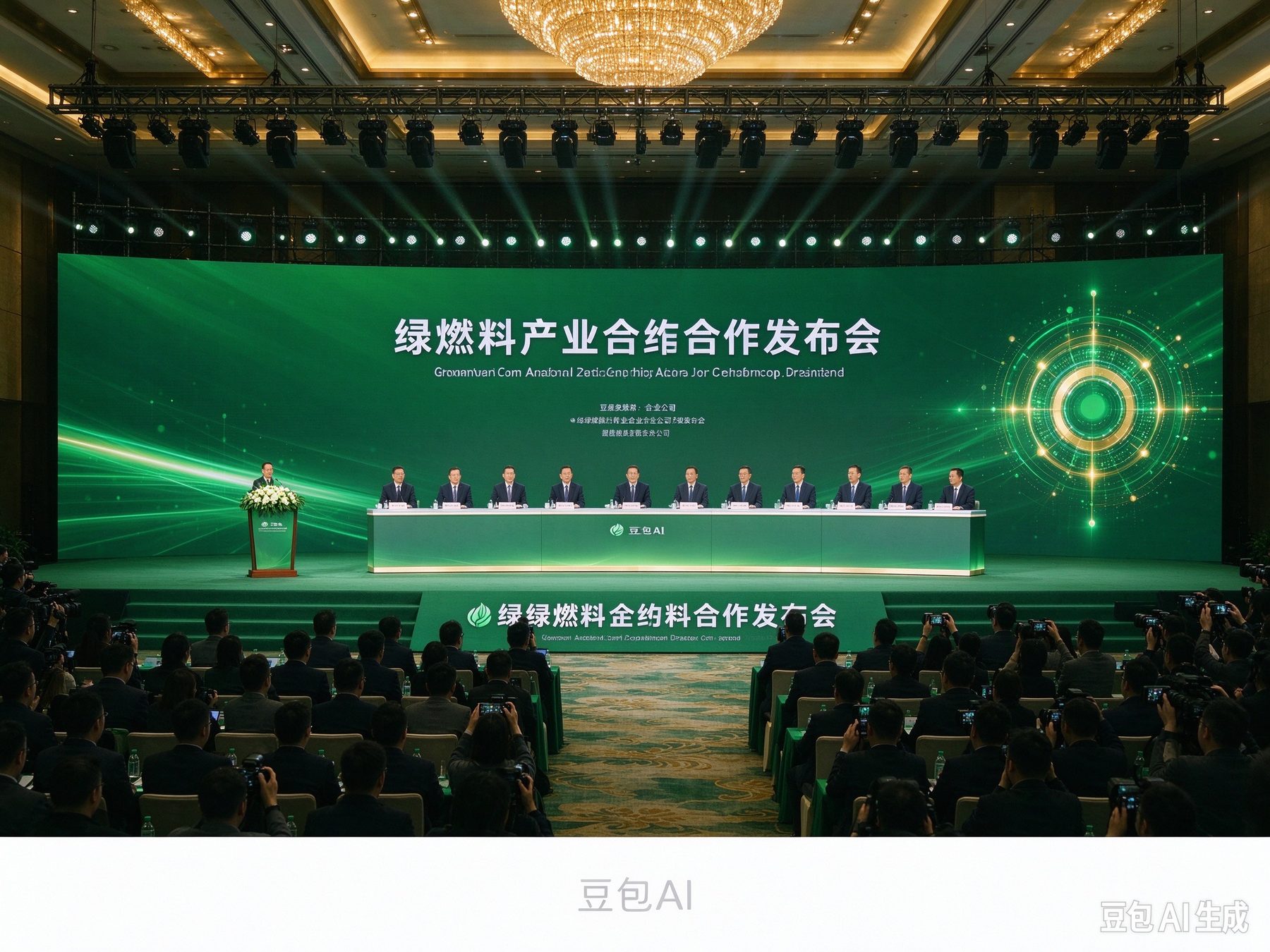
10月21日这一天,两份文件把工业领域碳管理的方向彻底改了过来。上午,工业和信息化部印发《加快构建工业和信息化领域碳排放双控工作体系实施方案(2026—2030年)》(工信部节函〔2026〕343号);同一天上午,生态环境部副部长李高在国务院新闻办公室发布会上介绍全国碳市场建设进展,明确到2027年扩围至石化、化工等工业行业,届时市场管控二氧化碳排放量约83亿吨、占全国排放总量65%以上。把这两件事放在一起看,含义相当清楚:碳排放双控不再是能耗双控换个说法,而是把管理对象从“消耗了多少能源”换成了“排了多少碳、产品碳足迹是多少”,而后者的计量基础完全不同。前者是能源统计口径上的总量问题,后者必须落到实测数据、检测能力与统一的核算规则标准上——这是一场从统计体系向计量体系迁移的制度变革,而它对企业的技术改造方向有着直接的牵引作用。
五位一体的制度框架:把碳管住了五个位置
《实施方案》的总体要求是逐步建立并完善工业和信息化领域地方碳考核、行业碳管控、企业碳管理、项目碳评价、产品碳足迹等政策制度,这五项构成中国石油和化学工业联合会党委委员、副会长凌逸群所说的“五位一体”制度框架。从技术视角看,这五个位置对应着五种完全不同的数据采集方式与工程动作。地方碳考核面向的是区域能源消费总量与产出,需要的是能源统计与核算边界划定;行业碳管控面向的是钢铁、有色金属、石化化工、建材等重点用能行业,以及光伏、算力设施等能耗增长较快的新兴领域,需要的是行业级排放基准与物料平衡;企业碳管理面向单个企业,需要的是分装置、分产品的碳排放核算;项目碳评价面向新建与改扩建项目,涉及《固定资产投资项目节能审查和碳排放评价办法》要求的碳排放置换与评价;产品碳足迹面向的是可以流通与出口的商品,对应的是碳足迹核算规则标准与数据库。
越往右,数据颗粒度越细、技术要求越高。产品碳足迹这一层要求的是从基础原材料和有迫切外贸需求的工业产品起步,加快制定一批碳足迹核算规则标准并与国际规则做好衔接,还要制定实施一批碳排放核算、计量、监测等基础通用标准,以及工业绿色微电网、工业领域清洁低碳氢应用、数字化能碳管理中心等技术规范和标准。这三层标准的分工很清楚:核算规则解决“怎么算”,基础通用标准解决“测得准”,技术规范解决“怎么接”。任何一层缺位,另外两层的结论都站不住。
400项规则与500个零碳工厂:两个数字背后的技术门槛
《实施方案》提出到2030年制定实施重点工业产品碳足迹核算规则标准400项左右,建设国家级零碳工厂和零碳算力设施500个左右,规模以上工业单位增加值二氧化碳排放比2025年降低17%以上、能耗比2025年下降10%以上。这几个数字里,400项规则标准的工作量可以估算——每项规则标准对应一个产品类别的核算边界界定、因子取值方法、数据质量等级划分与验证程序,而40个单位增加值二氧化碳排放比2025年降低17%以上的总量目标,要靠这400项规则分摊到成千上万种工业产品上。规则制定的速度跟不上产品迭代速度,就会出现大量产品无规则可依、有规则不可用的局面,这正是《实施方案》强调“按照急用先行原则、聚焦基础原材料和有迫切外贸需求的工业产品”的原因。
500个零碳工厂的技术门槛则集中在能源系统的自给率与核算的可追溯性上。《实施方案》要求持续完善零碳工厂和零碳算力设施评价指标体系,推动出台零碳工厂通用要求等国家标准,明确零碳工厂管理和成效评估要求,并指导符合条件的企业采用绿电直连、源网荷储一体化等模式,扩大零碳电力、热力、氢能和燃料利用。同时提出培育一批由零碳工厂、零碳物流、低碳零碳矿区、零碳服务供应商等组成的低碳零碳供应链,研究制定低碳零碳供应链建设指南与评价指标体系,强化供应链碳排放监测追踪与信息披露。这里出现的一个此前较少被提及的角色是低碳零碳矿区——矿区被纳入供应链体系,意味着煤炭的开采环节本身要能被下游的碳足迹核算所识别,这项能力建设的要求远高于单纯的矿井节能。
数据库与同行评议:碳足迹数据的可信度机制
《实施方案》在碳足迹管理体系部分的部署是整份文件技术含量最高的部分。建立工业产品碳足迹数据库的措施包括:支持建设重点工业产品碳足迹数据库,与国家产品碳足迹因子数据库形成有效衔接;组织开展汽车动力电池等重点产品碳足迹申报;指导有条件的地区、行业协会、研究机构、企业等基于实测数据建设细分行业领域产品碳足迹数据库;研究制定统一的产品碳足迹数据库建设标准规范;适时组织开展同行评议、交叉验证以及数据溯源性核验,提高数据质量。
最后这四项是整段部署中最关键的技术安排。碳足迹数据的可信度问题与煤矿监测数据造假问题,本质上是同一个问题:数据链条的真实性决定了结论的可用性。产品碳足迹一旦用于出口合规、政府采购或碳标识认证,一组不可靠的因子值就会直接变成错误的贸易与监管依据。同行评议与交叉验证解决的是方法学层面的分歧,交叉验证让不同机构用同一套规则得到的结果能够互相对照,数据溯源性核验解决的是数据层面的追溯问题——这要求从测量设备、校准记录、原始数据到因子值的整条链路都可被复现。这套机制与检测认证机构的能力直接绑定,而检测能力的建设周期通常以年计,与规则标准的出台节奏之间存在时间差。
降碳技术的供给清单:设备、系统与数据三层
从技术供给侧看,《实施方案》的部署可以分成三层。设备层点名的是高效节能电机、变压器、工业热泵、制冷(热)设备、水电解制氢装备和信息通信设备,并要求强化节能装备系统耦合匹配,同时聚焦节能装备、氢能装备等领域培育建设一批制造业中试平台、创新中心以及产业技术基础公共服务平台。系统层面向的是园区与企业,《实施方案》提出支持工业企业和园区加快工业绿色微电网建设,集成应用光伏、风电、高效热泵、新型储能、氢能、余热余压余气、可燃废弃物、智慧能源管控等,实现工业领域多能高效互补利用;同时引导有条件的企业实施终端用能电气化改造,推广电锅炉、电窑炉、电助熔、电加热、高温热泵等工艺技术装备,推动存量低效设备电能替代。数据层则是推进数字化能碳管理,支持新建数字化能碳管理中心或在既有能源管理中心基础上拓展碳管理功能,推进工业数字化碳管理公共服务平台建设,支持工业企业开发节能降碳大模型、高效智能节能降碳设备,实现能耗和碳排放预测预警、智能优化管控。
中国电子信息产业发展研究院副院长刘文强的判断给这套清单标注了权重:电能替代与绿色能源应用是重要的源头减碳技术,“十五五”时期将贡献约25%的降碳量,需着力发展高温热泵、工业绿色微电网、绿色氢氨醇等技术。这三个方向的技术指向相当明确——高温热泵解决的是低温热源无法电气化的缺口,工业绿色微电网解决的是多能互补与功率质量,绿色氢氨醇解决的是化石基原料的替代。北京理工大学碳中和系统工程北京实验室主任魏一鸣则从另一侧补充:《实施方案》把钢铁、有色金属、石化化工、建材等传统高耗能行业与光伏、算力设施等新兴领域一并纳入视野,既要在存量上做减法,也要在增量上设上限。
碳市场扩围:从配额管理到总量控制的制度收紧
扩围的技术含义在配额分配方式上体现得最清楚。李高在发布会上表示,将科学、公平分解和落实好碳排放权交易市场覆盖行业单位产品碳排放下降3%左右的目标,对碳排放总量相对稳定的行业优先实施配额总量控制,并稳妥推行免费和有偿相结合的配额分配方式,逐步扩大有偿分配比例。这三个变化方向是连在一起的:单位产品碳排放下降3%左右是强度型约束,对总量相对稳定的行业则改为总量控制,把约束从相对量转成绝对量,而有偿分配比例扩大意味着配额的稀缺性上升、影子价格信号增强。对石化、化工这类产品碳足迹核算规则尚未建立的行业来说,这三重收紧叠加的结果是:核算规则出台的时间压力与配额有偿化的成本压力同时到来。
市场的基础数据也给出了这个方向的量化坐标。据发布会披露,全国碳市场上线交易五年多以来配额累计成交量已突破10亿吨,“十四五”期间1100余家重点排放单位获减排收益约360亿元,碳市场累计降低全社会减排成本568亿元;10月20日CEA收盘价98.11元每吨,较2021年启动日累计上涨超100%,李高判断长期碳价仍有较大上升空间。配套机制方面,将建立碳质押、碳回购等碳金融政策机制,争取年内引入首批金融机构参与交易,同步推进CCER市场建设,到2027年实现重点领域方法学全覆盖。这里的技术含义需要指出:碳质押与碳回购需要碳资产的可估值性,而可估值性的前提是碳排放数据可核查——这与前述碳足迹数据库的可信度机制是同一套基础设施的不同应用方向。
技改的真实现金流:湖南转型金融首单的样本
制度最终要落到项目的投资回报上。湖南日报新媒体2026年10月19日报道,湖南转型金融全省首单集中落地,覆盖煤电、钢铁、有色、陶瓷、建材等高碳行业:常德煤电企业获省内煤电领域转型金融首单,中国银行、农业银行、建设银行常德分行联合授信14.3亿元、15年期纯信用中长期固贷、利率优惠,项目改造后年节约标煤36.1万吨、减排二氧化碳94.58万吨;陶瓷、有色、钢铁、建材领域全省首单同步落地,部分贷款创新实现融资利率与企业减排绩效挂钩。截至9月,湖南本年度转型金融贷款投放超23亿元。配套文件方面,5月省内人民银行联合五部门印发转型金融支持目录(试用)与工作指引,工程机械、有色、造纸、汽车制造被纳入省内特色行业,煤电、钢铁、建材、陶瓷同步对标全国目录开展试点。
把这份样本与《实施方案》放在一起,能看到一条完整的传导链:碳排放双控提出强度与总量约束,碳足迹核算规则把约束分解到产品,碳市场把约束转化为配额与价格,碳排放双控实施方案提出行业、项目、园区、企业多层级实施方案,最终由转型金融把减排绩效变成融资利率。这条链上每一环的技术含量不同,但缺任何一环,另外几环的约束都会落空。对煤电这类高碳行业而言,这恰恰是一个值得注意的变化——过去减排项目的资金来源主要是节能改造专项资金,而当融资利率能够与减排绩效直接挂钩时,技改项目的经济性测算口径就变了:减排量不再只是合规成本,而成为可以影响财务费用的可计量资产。
技术研判:双控体系落地的顺序由可计量性决定
把10月21日的两份文件与此前一系列动作放在一起,可以给出几条判断。第一,双控体系落地的先后顺序不由行政推动力度决定,而由可计量性决定:核算规则标准先行、数据库与检测能力同步跟进、企业碳管理数据接口就位,最后才是配额收紧与有偿比例扩大的成本传导,这条顺序无法颠倒,否则企业面对的是无法核算的约束。第二,碳足迹规则的竞争从“有没有”转向“准不准”,随着规则数量向400项推进,同一产品在不同规则下的核算差异会成为贸易与监管层面的争议点,同行评议与交叉验证机制的权威性将成为基础设施的一部分,而不只是技术辅助手段。第三,工业绿色微电网、数字化能碳管理中心与节能降碳大模型这三项在文件中的位置,实际上是承认了降碳目标的实现难度正在从单台设备转向系统调度,同一套用能数据要同时服务于能耗、碳排、预测预警与优化管控,这对数据采集的连续性与一致性提出了远高于常规能源管理的要求。第四,也是最值得警惕的一条,“能耗比2025年下降10%以上”与“二氧化碳排放比2025年降低17%以上”这两项指标的降幅不同,意味着在部分产品上,电气化替代带来的能耗上升与碳排放下降会出现背离,如何在考核中处理这种背离,将直接决定终端用能电气化改造的推进速度,而这部分规则的制定路径目前公开信息未披露。
本文参考资料来源于工业和信息化部、生态环境部公开发布文件与新闻发布会实录;国家统计局、国家产品碳足迹因子数据库建设相关公开信息;经济参考报、中国证券网、新华网、中国能源新闻网等媒体报道。
On October 21, two documents completely changed the direction of carbon management in the industrial sector. In the morning, the Ministry of Industry and Information Technology issued the "Implementation Plan for Accelerating the Construction of a Dual Control Work System for Carbon Emissions in the Industrial and Information Technology Sectors (2026–2030)" (MIIT Letter on Energy Conservation [2026] No. 343). On the same morning, Li Gao, Vice Minister of Ecology and Environment, introduced the progress of the national carbon market at a press conference held by the State Council Information Office, clarifying that by 2027, it will expand to industrial sectors such as petrochemicals and chemicals, by then controlling about 8.3 billion tons of CO₂ emissions, accounting for more than 65% of the country's total emissions. Looking at these two events together, the meaning is quite clear: carbon emissions dual control is no longer just a rephrasing of energy consumption dual control; the management focus has shifted from "how much energy is consumed" to "how much carbon is emitted and what is the carbon footprint of the products," with the latter having an entirely different measurement basis.
The former is a total quantity issue in terms of energy statistics, while the latter must rely on measured data, testing capabilities, and uniform accounting rules and standards—this is an institutional transformation from a statistical system to a metrological system, and it has a direct guiding effect on the direction of technological renovation for enterprises.
A five-in-one institutional framework: controlling carbon in five key areas
The overall requirement of the 'Implementation Plan' is to gradually establish and improve policy systems in the industrial and information technology sectors for local carbon assessment, industry carbon control, enterprise carbon management, project carbon evaluation, and product carbon footprint. These five components constitute what Ling Yiqun, member of the Party Committee and vice president of the China Petroleum and Chemical Industry Federation, referred to as the 'five-in-one' system framework. From a technical perspective, these five positions correspond to five completely different data collection methods and engineering actions. Local carbon assessment targets the total energy consumption and output of a region, requiring energy statistics and delineation of accounting boundaries; industry carbon control targets key energy-consuming industries such as steel, non-ferrous metals, petrochemical and chemical, and building materials, as well as emerging fields with rapidly increasing energy consumption such as photovoltaics and computing facilities, requiring industry-level emission benchmarks and material balance; enterprise carbon management targets individual enterprises and requires carbon emissions accounting by unit and by product;
Project carbon assessment is aimed at new construction and expansion projects, involving carbon emission offsetting and evaluation as required by the 'Measures for Energy Conservation Review and Carbon Emission Assessment of Fixed Asset Investment Projects'; product carbon footprint focuses on goods that can be circulated and exported, corresponding to carbon footprint accounting rules, standards, and databases.
The further to the right, the finer the data granularity and the higher the technical requirements. The product carbon footprint level requires starting from basic raw materials and industrial products with urgent foreign trade demand, accelerating the formulation of a set of carbon footprint accounting rules and standards, and aligning them with international standards. It also requires the development and implementation of a set of basic general standards for carbon emission accounting, measurement, and monitoring, as well as technical specifications and standards such as industrial green microgrids, clean low-carbon hydrogen applications in the industrial sector, and digital energy-carbon management centers. The division of labor among these three layers of standards is very clear: accounting rules address 'how to calculate,' basic general standards ensure 'accurate measurement,' and technical specifications cover 'how to connect.' If any layer is missing, the conclusions of the other two cannot stand.
400 rules and 500 zero-carbon factories: the technical thresholds behind these two numbers.
The "Implementation Plan" proposes that by 2030, about 400 standards for calculating the carbon footprint of key industrial products will be formulated and implemented, around 500 national-level zero-carbon factories and zero-carbon computing facilities will be built, and the carbon dioxide emissions per unit of industrial added value should decrease by more than 17% and energy consumption by more than 10% compared to 2025. Among these figures, the workload for the 400 standards can be estimated—each standard corresponds to defining the accounting boundaries of a product category, methods for factor values, classification of data quality levels, and verification procedures. The total target of reducing the carbon dioxide emissions per unit of added industrial value by more than 17% by 2025 for 40 units depends on distributing these 400 standards across thousands of industrial products. If the pace of standard formulation cannot keep up with product iteration, there will be many products without applicable standards or standards that cannot be used. This is exactly why the "Implementation Plan" emphasizes "following the principle of urgency, focusing on basic raw materials and industrial products with urgent foreign trade demand."
The technical barriers for 500 zero-carbon factories are concentrated on the self-sufficiency of energy systems and the traceability of accounting. The "Implementation Plan" requires the continuous improvement of the evaluation indicator system for zero-carbon factories and zero-carbon computing facilities, promotes the introduction of national standards such as general requirements for zero-carbon factories, clarifies management and performance evaluation requirements for zero-carbon factories, and guides eligible enterprises to adopt models such as green electricity direct connection and integrated source-grid-load-storage, expanding the use of zero-carbon electricity, heat, hydrogen, and fuel. It also proposes cultivating a low-carbon and zero-carbon supply chain composed of zero-carbon factories, zero-carbon logistics, low-carbon and zero-carbon mining areas, and zero-carbon service providers, studying and formulating guidelines and evaluation indicator systems for building low-carbon and zero-carbon supply chains, and strengthening monitoring, tracking, and information disclosure of supply chain carbon emissions. One previously less mentioned role that appears here is the low-carbon and zero-carbon mining areas—incorporating mining areas into the supply chain system means that the coal mining stage itself must be identifiable in downstream carbon footprint accounting, a capability-building requirement far higher than simply improving mine energy efficiency.
Database and peer review: credibility mechanisms for carbon footprint data.
The deployment of the 'Implementation Plan' in the carbon footprint management system section is the most technically intensive part of the entire document. Measures for establishing a carbon footprint database for industrial products include: supporting the construction of key industrial product carbon footprint databases and effectively connecting them with the national product carbon footprint factor database; organizing the declaration of carbon footprints for key products such as automotive power batteries; guiding regions, industry associations, research institutions, and enterprises with the necessary conditions to build segmented industry-specific product carbon footprint databases based on measured data; researching and formulating unified standards and specifications for product carbon footprint database construction; and timely organizing peer reviews, cross-validation, and data traceability verification to improve data quality.
The last four items are the most critical technical arrangements in the entire deployment. The issue of the credibility of carbon footprint data and the problem of falsified coal mine monitoring data are essentially the same: the authenticity of the data chain determines the usability of the conclusions. Once product carbon footprints are used for export compliance, government procurement, or carbon label certification, a set of unreliable factor values will directly become erroneous bases for trade and regulation. Peer review and cross-validation address methodological differences, with cross-validation allowing different institutions to compare results obtained under the same rules, while data traceability verification addresses the retraceability of data itself—this requires that the entire chain, from measurement equipment, calibration records, and raw data to factor values, can be reproduced. This mechanism is directly tied to the capabilities of testing and certification institutions, and the construction cycle of testing capabilities is usually measured in years, creating a time gap with the pace at which rules and standards are introduced.
Supply list for carbon reduction technologies: three layers of equipment, systems, and data
From the perspective of technical supply, the deployment of the "Implementation Plan" can be divided into three layers. At the equipment layer, it specifically mentions high-efficiency energy-saving motors, transformers, industrial heat pumps, refrigeration (and heating) equipment, water electrolysis hydrogen production equipment, and information and communication devices. It also calls for strengthening the coupling and matching of energy-saving equipment systems, while focusing on cultivating and building a number of manufacturing pilot platforms, innovation centers, and public service platforms for industrial technology in fields such as energy-saving equipment and hydrogen equipment. At the system level, targeting parks and enterprises, the "Implementation Plan" proposes supporting industrial enterprises and parks in accelerating the construction of green industrial microgrids, integrating and applying photovoltaics, wind power, high-efficiency heat pumps, renewable energy storage, hydrogen energy, waste heat, pressure, and gases, combustible waste, smart energy management and control, and other technologies to achieve multi-energy efficient complementary utilization in the industrial sector. At the same time, it guides enterprises with suitable conditions to implement terminal energy electrification transformations, promoting technologies and equipment such as electric boilers, electric kilns, electric smelting, electric heating, and high-temperature heat pumps, and advancing the replacement of existing inefficient equipment with electric alternatives.
The data layer promotes digital energy and carbon management, supporting the establishment of new digital energy and carbon management centers or the expansion of carbon management functions on existing energy management centers, advancing the construction of industrial digital carbon management public service platforms, and supporting industrial enterprises in developing large models for energy conservation and carbon reduction, as well as high-efficiency intelligent energy-saving and carbon-reduction equipment, to achieve energy consumption and carbon emission prediction and early warning, and intelligent optimization and control.
Liu Wenqiang, Deputy Director of the China Electronic Information Industry Development Research Institute, assigned weights to this list: electricity substitution and the application of green energy are important source carbon reduction technologies. During the 15th Five-Year Plan period, they are expected to contribute about 25% of the carbon reduction, requiring focused development of high-temperature heat pumps, industrial green microgrids, and green hydrogen, ammonia, and methanol technologies. The technological directions of these three areas are quite clear—high-temperature heat pumps address the gap where low-temperature heat sources cannot be electrified, industrial green microgrids address multi-energy complementarity and power quality, and green hydrogen, ammonia, and methanol address the substitution of fossil-based raw materials. Wei Yiming, Director of the Beijing Laboratory of Carbon Neutral System Engineering at Beijing Institute of Technology, added from another perspective: the 'Implementation Plan' includes both traditional high-energy-consuming industries such as steel, non-ferrous metals, petrochemicals, and building materials, and emerging sectors such as photovoltaics and computing facilities in its scope, aiming not only to reduce carbon in existing sectors but also to set limits on increases in new sectors.
Carbon market expansion: tightening the system from quota management to total quantity control.
The technical implication of expanding coverage is most clearly reflected in the method of quota allocation. Li Gao stated at the press conference that the goal is to scientifically and fairly break down and implement the carbon emission reduction target of about 3% per unit of product for industries covered by the carbon emission trading market. For industries with relatively stable total emissions, total quota control will be prioritized, while cautiously implementing a combination of free and paid quota allocation, gradually increasing the proportion of paid allocation. These three directions of change are interconnected: a reduction of about 3% in per-unit product emissions is an intensity-based constraint, while for industries with relatively stable total emissions, this changes to total quota control, converting the constraint from a relative amount to an absolute amount. Expanding the proportion of paid allocation means increased scarcity of quotas and stronger shadow price signals. For industries such as petrochemical and chemical, where product carbon footprint accounting rules have not yet been established, the result of these three layers of tightening is that the time pressure for introducing accounting rules coincides with the cost pressure of quota monetization.
The basic market data also provides quantitative coordinates in this direction. According to the press conference, since the national carbon market began trading more than five years ago, the cumulative trading volume of allowances has exceeded 1 billion tons. During the 14th Five-Year Plan period, more than 1,100 key emission units earned approximately 36 billion yuan in emission reduction benefits, and the carbon market has cumulatively reduced social emission reduction costs by 56.8 billion yuan. On October 20, the CEA closing price was 98.11 yuan per ton, an increase of over 100% since the launch in 2021. Li Gao believes that there is still considerable room for long-term carbon prices to rise. In terms of supporting mechanisms, carbon pledge and carbon repurchase financial policy mechanisms will be established, aiming to introduce the first batch of financial institutions to participate in trading within the year, while simultaneously advancing the construction of the CCER market, with full methodological coverage in key sectors by 2027. The technical implication here needs to be pointed out: carbon pledges and repurchases require the valuability of carbon assets, and the premise of valuability is the verifiability of carbon emission data — this is a different application direction of the same infrastructure as the credibility mechanism of the aforementioned carbon footprint database.
The real cash flow of technological transformation: the first sample of Hunan's transition finance.
Ultimately, the system needs to translate into project investment returns. According to a report by Hunan Daily New Media on October 19, 2026, Hunan's first province-wide transformation finance project has been implemented, covering high-carbon industries such as coal power, steel, non-ferrous metals, ceramics, and building materials: Changde coal power enterprises received the province's first transformation finance project in the coal power sector, with China Bank, Agricultural Bank, and Construction Bank's Changde branches jointly granting a credit of 1.43 billion yuan, a 15-year pure credit medium- to long-term loan, with preferential rates. After project transformation, the annual standard coal savings are 361,000 tons, and carbon dioxide emissions are reduced by 945,800 tons; the first synchronized projects in the ceramics, non-ferrous metals, steel, and building materials sectors were launched across the province, with some loan innovations linking financing rates to enterprises' emission reduction performance. By September, Hunan's transformation finance loans for this year had exceeded 2.3 billion yuan. In terms of supporting documents, in May, the Provincial People's Bank, together with five departments, issued the Transformation Finance Support Directory (trial) and Work Guidelines. The construction machinery, non-ferrous metals, paper, and automobile manufacturing industries were included in provincial characteristic industries, while coal power, steel, building materials, and ceramics carried out pilot projects simultaneously in alignment with the national directory.
Putting this sample together with the "Implementation Plan," one can see a complete transmission chain: the dual control of carbon emissions sets intensity and total constraints; carbon footprint accounting rules break down the constraints to the product level; the carbon market transforms the constraints into quotas and prices; the carbon emissions dual control implementation plan proposes multi-level implementation plans for industries, projects, parks, and enterprises; ultimately, transition finance turns emission reduction performance into financing rates. The technical content of each link in this chain varies, but without any one link, the constraints of the others will fail. For high-carbon industries such as coal power, this is precisely a noteworthy change—the funding sources for past emission reduction projects were mainly special funds for energy-saving retrofits, but when financing rates can be directly linked to emission reduction performance, the economic calculation standards of technology retrofit projects change: emission reductions are no longer just compliance costs, but measurable assets that can affect financial expenses. Technical assessment: the order in which the dual control system is implemented is determined by measurability.
Putting together the two documents from October 21 with the previous series of actions, several judgments can be made. First, the order in which the dual-control system is implemented is not determined by the intensity of administrative push, but by measurability: accounting rules and standards come first, followed by the database and testing capabilities being developed in parallel, with enterprise carbon management data interfaces in place, and only then the tightening of quotas and the expansion of paid proportions as cost transmission measures. This sequence cannot be reversed; otherwise, enterprises would face constraints that cannot be accounted for. Second, the competition over carbon footprint rules has shifted from 'whether it exists' to 'whether it is accurate.' As the number of rules approaches 400, discrepancies in accounting for the same product under different rules will become points of contention in trade and regulatory contexts. The authority of peer review and cross-validation mechanisms will become part of the infrastructure, rather than merely technical support tools.
Third, the positions of the three items—industrial green microgrids, digital energy-carbon management centers, and large models for energy saving and carbon reduction—in the document actually acknowledge that achieving carbon reduction targets is shifting from individual equipment to system-level scheduling. The same set of energy use data needs to simultaneously serve energy consumption, carbon emissions, predictive warning, and optimization control, which poses requirements for data collection continuity and consistency far beyond conventional energy management. Fourth, and perhaps most importantly, the two indicators "energy consumption reduced by more than 10% by 2025" and "carbon dioxide emissions reduced by more than 17% by 2025" have different target reductions, implying that for some products, the increase in energy consumption due to electrification replacement may diverge from the decrease in carbon emissions. How to handle this divergence in assessments will directly determine the pace of terminal energy electrification transformation, and the development path of this part of the rules has not been disclosed in publicly available information.
This article references materials from publicly released documents and press conference transcripts of the Ministry of Industry and Information Technology and the Ministry of Ecology and Environment; publicly available information related to the construction of the National Bureau of Statistics and the National Product Carbon Footprint Factor Database; and media reports from Economic Information Daily, China Securities Journal, Xinhuanet, and China Energy News Network.
本网站摘录或转载的属于第三方的信息,目的在于传递更多信息,内容仅供参考。相关股票、投融资等资讯及分析并不代表本网站赞同其意见和对其真实性负责,不构成投资建议。
若不慎涉及侵权,请在相关内容刊发之日起 30 日内联系我们,我们将第一时间进行删除处理。
转载本网资讯请注明来源作者。本网原创文章、研究报告禁止转发。
Information excerpted or reprinted from third parties on this website is intended to convey more information for reference only. Related stocks, investment and financing news and analysis do not represent the endorsement of this website, nor does this website assume responsibility for their authenticity, and do not constitute investment advice.
If any content unintentionally infringes upon rights, please contact us within 30 days from the date of publication, and we will remove it as soon as possible.
When reprinting content from this website, please indicate the source and author. Original articles and research reports of this website may not be redistributed.
提交留言Submit message留下联系方式,平台将把您的需求推送给匹配的产业方Leave your contact details and we will match you with relevant industry partners.
数据来源与口径说明:本平台数据与资讯均以「唯一官方口径」采集与发布,优先采用国家部委、国家统计局、海关总署、中国氢能联盟、IEA / IRENA / IMO 等官方或政府间机构公开数据;同一指标只取一个来源,不做多源拼接。数值为公开发布值,可能因统计口径、产地与发布时间不同而存在差异,仅供参考,不构成交易依据。Data sources and methodology: all data and news on this platform are collected and published from a single official source, giving priority to public data from government bodies and intergovernmental organisations such as the National Bureau of Statistics, the General Administration of Customs, the China Hydrogen Alliance, and IEA / IRENA / IMO. One indicator has one source only and is never stitched together from multiple sources. Figures are published values and may vary with statistical scope, origin and release date. For reference only; not a basis for transactions.
相关信息Related Information同栏目 · 可直接进入各自最终页Same section · each opens its own final page
- 航天炉"点煤成金":从我国第一台自主粉煤加压气化炉到零碳负碳技术转型2026-10-12
- 18至25元对15元:绿氢成本逼近灰氢那一刻,8%至10%的项目收益是靠什么撑起来的2026-10-11
- 视频|海水制氢,中国突破!2026-10-11
- 陕西研制液氢航空地面保障系统完成全流程一体化测试2026-10-11
- 1121.05兆瓦与1062MW:2026上半年电解槽订单两个口径的差,与份额集中到46%的真相2026-10-11
- 从“气”到“氢”的一字之变 四川资阳打造成渝氢走廊氢源配送中心2026-10-10