
煤电掺氨的三条技术路线:循环流化床、煤粉炉双位喷氨与氨燃气轮机的工程差异Three technical routes for ammonia co-firing in coal power: circulating fluidized bed, dual-location ammonia injection in pulverized coal furnace, and engineering differences in ammonia gas turbines
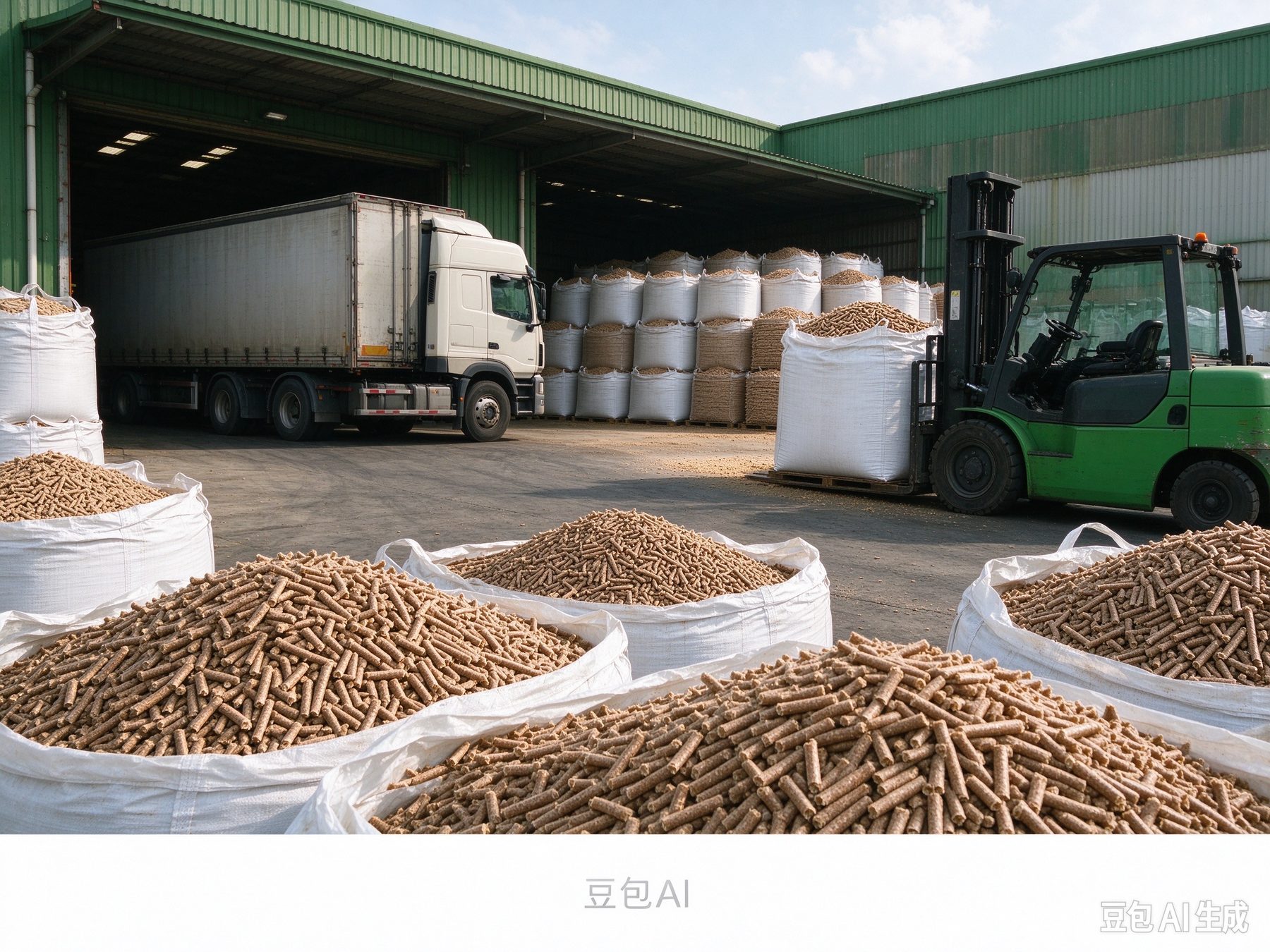
在煤电被重新定位为调节保障电源之后,掺氨几乎成了每一次讨论煤电减碳时都会被提到的技术选项。但把公开信息摊开就会发现,真正称得上完成工业化试点的路径只有少数几条,而它们之间的工程差异远比概念上的减碳比例重要。2026年10月25日中国经济网在报道绿色燃料商业化进程时明确提到,煤电掺氨、氨燃气轮机等热电应用已经完成工业化试点。这句话的分量在于,它把掺氨从实验室阶段推到了工业验证阶段,却同时暴露了一个问题——被验证的不是某一种掺烧方式,而是多种方式各自在不同的炉型上成立。研究综述给出的技术图景是:循环流化床依赖中温运行与床料蓄热解决氨的着火稳燃,煤粉炉依赖喷氨位置与配风的组合控制氮氧化物,而在这两类燃烧技术之上,还有一个更基础的问题——氨从哪来、什么价、怎么运。
循环流化床路线:蓄热体解决着火,局部还原区解决氮氧化物
《洁净煤技术》期刊刊出的流化床条件下氨/煤掺混燃烧特性与氮氧化物生成研究进展综述,把这条路线的技术逻辑讲得相当清楚。综述开篇即指出,在“双碳”目标下煤电保供与调峰的角色重构正在加速,煤电机组正由基础负荷电源向调节保障电源转型,而在严苛的深度调峰约束下如何兼顾高效清洁发电与深度减碳,是行业面临的重大技术挑战;引入零碳富氢的氨燃料实施掺烧,成为推动高碳煤电快速原始减碳的有效途径。但综述同时点明氨作为燃料存在燃烧不稳定和氮氧化物排放高的风险,而循环流化床锅炉特有的中温运行环境及巨大蓄热体,对克服低反应活性零碳氨燃料的着火与稳燃瓶颈具有天然的热力学适配性。
针对氮氧化物,综述给出的调控边界具体到可操作的参数区间:通过优化一次风率至0.58至0.80,并于密相与过渡区交界处实施高速射流注入(2.4米每秒),构筑局部富燃料还原区,即可有效激发氨的自还原潜力,实现一氧化氮与氧化亚氮的协同减排。这个方案的技术逻辑是,氨本身既是燃料又是还原剂,只要在恰当位置制造出还原性气氛,氨就能把已经生成的一氧化氮还原回去,这比单纯加大空气分级更精细。但综述没有回避这条路径的三个瓶颈:局部还原气氛失衡会引发热迁移畸变,一氧化氮与氧化亚氮前驱物的分解路径存在非线性竞争,床料异相催化脱硝的边界也依然模糊。综述还提出,未来需深化全流场热量动态调配与多相简化反应动力学的协同创新,并推进尾部酸腐蚀与铵盐灰分吸附次生污染综合评估。
最后这一条尤其值得留意。掺氨的副产物不只是氮氧化物,还有氨逃逸。氨溶于水形成氨水,会与飞灰中的碱金属氧化物反应生成铵盐,铵盐随排烟进入空预器与低温受热面,造成积灰与腐蚀。灰分中碱金属含量高的煤种,这一问题会明显更突出。综述把它与尾部酸腐蚀并列提出,说明这是从炉内燃烧走到炉外灰渣处理的一段被长期忽略的链路。
煤粉炉路线:双位喷氨与转化路径的分工
煤粉炉掺氨的技术路线在《煤炭学报》2026年第51卷第10期刊出的《基于氨转化路径调控的煤氨掺烧策略优化》中给出了数值模拟层面的系统结果。该研究基于45千瓦下行燃烧炉试验,采用数值模拟方法,在掺氨比0至20%区间深入研究了掺氨方式、掺氨比例和配风对氨转化过程与一氧化氮排放的影响。研究首先指出,掺氨方式对氨转化路径与一氧化氮排放具有决定性作用。对燃烧器掺氨而言,采用独立的氨气通道,比将氨混入含氧一次风的方式更有利于一氧化氮排放控制;而对炉内单独喷氨而言,一氧化氮排放质量浓度对喷氨位置非常敏感,增大氨气喷口与煤燃烧器之间的距离对一氧化氮减排有利。在此基础上,进一步提高掺氨比例和燃尽风占比分别引起一氧化氮排放质量浓度的升高和降低。
研究最核心的判断是,两种掺氨方式下的氨转化路径存在显著差异:燃烧器掺氨与炉内单独喷氨分别由一氧化氮生成与还原竞争路径及氨分解路径主导。据此提出双位喷氨的新掺氨燃烧模式,将燃烧器喷氨与炉内单独喷氨结合起来,模拟结果表明该模式下一氧化氮排放质量浓度比任一单独方式都更低,最低达到76毫克每立方米。机理分析证实,氨在整个燃烧过程中转化模式的差异是氮氧化物减排的关键,充分发挥燃烧器掺氨在氨消耗方面的优势,以及炉内单独喷氨在氨还原方面的竞争力,是控制最终排放的核心。
这个结论对工程实践的意义在于,双位喷氨不是两套喷嘴的简单叠加,而是两套不同化学功能的配置。燃烧器侧承担的是让氨真正参与燃烧的任务,炉内侧承担的是让氨去还原已经生成的氮氧化物的任务,两者的转化路径不同、需要的氧量条件不同、喷口位置的设计依据也不同。因此氨气管道系统需要在两套完全不同的流量与压力特性下运行,这会带来供氨系统的额外复杂度——而在氨气本身由项目自产、总量有限的前提下,这套系统的设计往往是制约掺氨比例上限的实际因素。
传热侧的账:辐射减弱与对流增强如何改写锅炉
掺氨对锅炉本体的影响不在燃烧器,而在传热。《热力发电》2025年第8期刊出的燃煤电站绿氨掺烧全产业链关键技术研究进展与低碳经济分析,把这一点写得很清楚:氨煤混烧可通过优化掺氨位置、空气分级及掺氨比例,设计低氮氨煤混烧燃烧装置,实现氮氧化物排放与纯煤相当,但需考虑掺烧后炉内辐射传热减弱、对流增强,以及锅炉汽水系统兼容性。这三个短语背后是三个具体的工程问题。
辐射传热减弱,是因为氨燃烧火焰的辐射特性与煤粉火焰不同,火焰的黑度与容积热吸收率存在差异,炉膛内辐射换热份额下降意味着炉内温度场分布改变,对流换热份额相应上升。这直接影响过热器与水冷壁的热负荷分配,原本按煤粉火焰设计的受热面积,在掺氨后可能出现炉膛下部吸热不足、上部偏多的现象。锅炉汽水系统兼容性则指另一层:受热面热负荷分布改变会连带影响过热器出口汽温的稳定性,而汽温波动会传导到汽轮机通流部分和热力系统整体的调节品质。这两项都不是通过调整燃烧参数就能完全消化的,需要在水冷壁与过热器的结构与受热面布置上做出对应设计。
综述给出的掺氨位置建议是低氧区后掺,主燃区当量比控制在1.1至1.3区间。这两个参数与前述双位喷氨研究形成了一组有意思的对照:炉内单独喷氨要求与煤燃烧器保持距离(因为其机理是还原而非参与燃烧),而低氧区后掺的位置要求同样指向远离主燃烧区。两条独立路径得到相近的空间结论,说明氨在炉内的有效作用区间确实不在高氧的主燃烧核心区。
合成氨侧:催化剂体系与储运设施才是成本瓶颈
燃烧技术解决的是氨能不能烧,合成技术解决的是氨从哪来、什么价。《热力发电》综述从“制、储、输、用”全产业链角度系统梳理后指出,绿氨合成以第二代低温低压技术(铁/钌催化剂)最具工业化潜力,该技术需要突破催化活性提升与可再生能源制氢—合成氨系统动态匹配技术两个难点;并提出开发10万吨级低温储罐与长输液氨管道、建设“西氨东输”网络以支撑绿氨规模化应用。储运这一侧同样不是附属工程,低温储罐的材料与绝热、液氨铁路运输的落地条件,都是决定项目可行性的前置条件。
综述给出的经济性判断锚定在两个变量上:当绿电成本降至0.10元每千瓦时且碳价大于370元每吨时,绿氨将比燃煤具备竞争力。这个门槛读出来是清楚的——掺氨要成立,必须同时满足便宜的绿电与足够高的碳价这两个条件,任何一个不满足都不成立。这也解释了为什么掺氨的推广会与碳价机制的政策进展捆绑在一起:掺氨项目的经济性本质上不是燃料差价,而是碳减排收益的贴现问题。综述同时提示了绿氨成本将持续下探的三个前提——电解槽成本降低、清洁电力成本下降以及柔性工艺成熟,其中柔性工艺一项直接对应可再生能源波动性带来的负荷调节问题,这与前述合成氨动态匹配难题是同一件事。
从试点到推广:三个尚待补齐的环节
把燃烧侧与合成侧的技术图景拼起来,掺氨从工业化试点走向规模化还缺三块。第一块是氨的来源与规模匹配:一台大型煤电机组按10%掺氨比计,年需氨量可达十万吨量级,这已经不是零散采购能解决的规模,必须有配套的绿色合成氨项目与其在时间与负荷上耦合,而公开信息未披露具体项目的匹配方案。第二块是储运通道,10万吨级低温储罐与长输液氨管道尚未形成规模化网络,液氨铁路运输的落地亦无公开时间表。第三块是副产物治理,尾部酸腐蚀与铵盐灰分吸附次生污染的综合评估在综述中被列为“未来需推进”的方向,说明这一段还没有完整的工程答案。
不过也有理由认为掺氨值得继续投入。工信部10月印发的《加快构建工业和信息化领域碳排放双控工作体系实施方案(2026—2030年)》在“加快电能替代与绿色能源应用”部分明确提出,推进氢能综合应用,推动绿色氢氨醇在工业领域原料替代,扩大工业、交通等领域清洁低碳氢应用,同时要求加快研发推广高效节能电机、变压器、工业热泵、制冷(热)设备、水电解制氢装备等先进节能装备,并在氢能装备等领域培育建设一批制造业中试平台。政策口径从“示范掺烧”转向“原料替代”,说明掺氨的价值已经不止于锅炉这一端——合成氨替代煤制合成氨或工业原料中的化石基氢,是另一条减排路径,它面对的是化工原料端而不是电力生产端。这条路径的瓶颈又落在低温低压合成与柔性运行上,与前述技术判断完全一致。
本文参考资料来源于洁净煤技术期刊、煤炭学报、热力发电期刊公开发表的学术成果;工业和信息化部、中国煤炭科工集团公开发布信息;中国经济网、中国能源报等媒体报道。
After coal power was repositioned as a regulating and backup power source, ammonia co-firing has almost become a technological option that is mentioned in every discussion on decarbonizing coal power. But when one looks at publicly available information, it becomes clear that only a few pathways can truly be considered as having completed industrial pilot testing, and the engineering differences between them are far more important than the theoretical decarbonization ratios. On October 25, 2026, China Economic Net explicitly mentioned in a report on the commercialization progress of green fuels that thermal power applications such as coal-ammonia co-firing and ammonia gas turbines have already completed industrial pilot tests. The weight of this statement lies in the fact that it advances ammonia co-firing from the laboratory stage to industrial verification, yet it simultaneously exposes a problem—the verification was not for a single method of co-firing, but for multiple methods each validated on different furnace types. The technical landscape presented in research reviews is: circulating fluidized beds rely on medium-temperature operation and bed material heat retention to achieve ignition and stable combustion of ammonia, while pulverized coal furnaces rely on a combination of ammonia injection position and air distribution to control nitrogen oxides. Beyond these two types of combustion technologies, there is an even more fundamental issue—where the ammonia comes from, at what cost, and how it is transported.
Circulating Fluidized Bed Route: The heat storage body addresses ignition, while the local reduction zone addresses nitrogen oxides.
The journal "Clean Coal Technology" published a review on the combustion characteristics of ammonia/coal co-firing under fluidized bed conditions and the research progress on nitrogen oxide formation, which explains the technical logic of this route quite clearly. The review begins by pointing out that under the "dual carbon" goal, the role restructuring of coal-fired power supply and peak regulation is accelerating. Coal power units are transitioning from base-load power sources to regulatory and backup power sources. Under the stringent constraints of deep peak regulation, how to balance efficient and clean power generation with deep carbon reduction is a major technical challenge for the industry. Introducing ammonia fuel rich in hydrogen with zero carbon for co-firing has become an effective way to drive rapid initial carbon reduction in high-carbon coal power. However, the review also points out that ammonia as a fuel carries the risks of unstable combustion and high nitrogen oxide emissions. The circulating fluidized bed boiler's unique medium-temperature operating environment and large heat storage body naturally provide thermodynamic compatibility to overcome the ignition and stable combustion bottlenecks of low-reactivity zero-carbon ammonia fuel.
For nitrogen oxides, the review specifies the regulatory boundaries in terms of operable parameter ranges: by optimizing the primary air ratio to 0.58–0.80 and implementing high-speed jet injection (2.4 meters per second) at the interface between the dense phase and transition zone to create a local fuel-rich reduction zone, the self-reduction potential of ammonia can be effectively activated, achieving synergistic reduction of nitric oxide and nitrous oxide. The technical logic of this solution is that ammonia itself acts both as a fuel and a reducing agent; as long as a reducing atmosphere is created in the right location, ammonia can reduce already formed nitric oxide, which is more precise than simply increasing air staging. However, the review does not shy away from three bottlenecks along this path: imbalance in the local reducing atmosphere can cause thermal migration distortion, the decomposition pathways of nitric oxide and nitrous oxide precursors involve nonlinear competition, and the boundaries for heterogeneous catalytic denitrification on the bed material remain unclear. The review also suggests that future efforts should deepen the synergistic innovation of full flow-field thermal dynamic distribution and simplified multiphase reaction kinetics, and advance a comprehensive assessment of tail-end acid corrosion and secondary pollution from ammonium salt ash adsorption.
The last point is particularly noteworthy. The by-products of ammonia addition are not only nitrogen oxides, but also ammonia slip. Ammonia dissolves in water to form ammonium hydroxide, which reacts with the alkali metal oxides in fly ash to form ammonium salts. These ammonium salts enter the air preheater and low-temperature heating surfaces with the flue gas, causing ash accumulation and corrosion. For coal types with a high alkali metal content in the ash, this problem becomes even more pronounced. The review lists it alongside tail-end acid corrosion, indicating that this is a link from in-furnace combustion to external ash and slag handling that has long been neglected.
Pulverized coal furnace route: division of labor between dual-level ammonia injection and conversion pathways.
The technical route for co-firing ammonia in pulverized coal furnaces is presented with systematic numerical simulation results in the article "Optimization of Coal-Ammonia Co-Firing Strategy Based on Ammonia Conversion Pathway Regulation" published in the 51st volume, Issue 10 of the Journal of China Coal Society in 2026. The study, based on experiments in a 45 kW down-fired furnace, uses numerical simulation methods to investigate in depth the effects of ammonia injection methods, ammonia ratios, and air distribution on ammonia conversion processes and nitrogen oxide emissions within the 0 to 20% ammonia co-firing ratio range. The study first points out that the ammonia injection method has a decisive effect on ammonia conversion pathways and nitrogen oxide emissions. For burner ammonia injection, using an independent ammonia gas channel is more favorable for controlling nitrogen oxide emissions than mixing ammonia into oxygen-containing primary air. For in-furnace separate ammonia injection, the mass concentration of nitrogen oxide emissions is very sensitive to the ammonia injection location, and increasing the distance between the ammonia outlet and the coal burner is beneficial for nitrogen oxide reduction. On this basis, a further increase in the ammonia ratio and the proportion of overfire air respectively leads to an increase and decrease in the mass concentration of nitrogen oxide emissions.
The core conclusion of the study is that there are significant differences in the ammonia conversion pathways under the two ammonia injection methods: ammonia injection at the burner and separate ammonia injection in the furnace are dominated by the competition between nitric oxide formation and reduction pathways, and ammonia decomposition pathways, respectively. Based on this, a new dual-location ammonia injection combustion mode is proposed, combining burner ammonia injection with separate furnace ammonia injection. Simulation results show that under this mode, the NO emission concentration is lower than that of either single method, reaching a minimum of 76 mg/m³. Mechanism analysis confirms that the difference in ammonia conversion patterns throughout the combustion process is key to nitrogen oxide reduction. Fully utilizing the advantage of ammonia consumption in burner injection and the competitiveness of ammonia reduction in separate furnace injection is central to controlling the final emissions.
The significance of this conclusion for engineering practice lies in the fact that dual-position ammonia injection is not merely a simple overlay of two sets of nozzles, but rather a configuration of two sets with different chemical functions. The burner side is responsible for enabling ammonia to actually participate in combustion, while the furnace side is responsible for enabling ammonia to reduce the nitrogen oxides that have already formed. The conversion pathways, required oxygen conditions, and design basis for the nozzle positions differ between the two. Therefore, the ammonia piping system needs to operate under two completely different flow and pressure characteristics, which adds extra complexity to the ammonia supply system — and given that ammonia is produced in-house by the project and the total amount is limited, the design of this system is often a practical factor that restricts the maximum ammonia blending ratio.
On the heat transfer side: how weakened radiation and enhanced convection rewrite the boiler.
The impact of ammonia co-firing on the boiler itself is not on the burner, but on heat transfer. The August 2025 issue of *Thermal Power Generation* published an article on the progress of key technologies for the full industry chain of green ammonia co-firing in coal-fired power plants and low-carbon economic analysis, which makes this point very clear: ammonia-coal co-firing can achieve nitrogen oxide emissions comparable to pure coal by optimizing the ammonia blending position, air staging, and ammonia blending ratio, and designing a low-nitrogen ammonia-coal co-firing combustion device. However, it is necessary to consider the weakening of radiative heat transfer in the furnace, the enhancement of convection, and the compatibility of the boiler steam-water system after co-firing. Behind these three phrases lie three specific engineering issues.
The weakening of radiative heat transfer is due to the fact that the radiative characteristics of ammonia combustion flames differ from those of pulverized coal flames. There are differences in flame blackness and volumetric heat absorption rates. A decrease in the radiative heat transfer fraction within the furnace means that the temperature field distribution inside the furnace changes, and the convective heat transfer fraction correspondingly increases. This directly affects the heat load distribution to the superheater and water-cooled walls. The heating surface originally designed for pulverized coal flames may experience insufficient heat absorption in the lower furnace and excessive absorption in the upper furnace after ammonia co-firing. Boiler steam-water system compatibility refers to another aspect: changes in the heat load distribution on the heating surfaces will also affect the stability of the superheater outlet steam temperature, and fluctuations in steam temperature will transmit to the turbine flow passages and the overall regulation quality of the thermodynamic system. Neither of these issues can be fully addressed merely by adjusting combustion parameters; corresponding designs must be implemented in the structure and heating surface arrangement of the water-cooled walls and superheater.
The review suggests that ammonia should be injected in the post-low-oxygen zone, with the equivalence ratio in the main combustion zone controlled between 1.1 and 1.3. These two parameters form an interesting contrast with the previously mentioned dual-point ammonia injection study: in-furnace single-point ammonia injection requires maintaining a distance from the coal burners (because its mechanism is reduction rather than participation in combustion), and the position for post-low-oxygen-zone injection likewise points to being away from the main combustion zone. The fact that these two independent approaches reach similar spatial conclusions indicates that the effective action zone of ammonia in the furnace is indeed not in the high-oxygen main combustion core.
On the ammonia synthesis side: the catalyst system and storage and transportation facilities are the cost bottlenecks.
Combustion technology addresses whether ammonia can burn, while synthesis technology addresses where ammonia comes from and at what cost. A review in 'Thermal Power Generation' systematically sorts out the entire industry chain from 'production, storage, transportation, to use' and points out that green ammonia synthesis with second-generation low-temperature, low-pressure technology (iron/ruthenium catalysts) has the greatest industrialization potential. This technology requires breakthroughs in improving catalytic activity and dynamically matching renewable hydrogen production with ammonia synthesis systems. It also proposes developing 100,000-ton-level low-temperature storage tanks and long-distance liquid ammonia pipelines, and building a 'West-to-East Ammonia Transport' network to support large-scale application of green ammonia. On the storage and transportation side, it is similarly not a subsidiary project; the materials and insulation of low-temperature storage tanks, as well as the implementation conditions for liquid ammonia rail transport, are all prerequisite conditions that determine project feasibility.
The economic assessment given in the review is anchored on two variables: green ammonia becomes competitive with coal when the cost of green electricity drops to 0.10 yuan per kilowatt-hour and the carbon price exceeds 370 yuan per ton. The threshold is clear—ammonia blending can only be viable if both cheap green electricity and a sufficiently high carbon price conditions are met; if either is not met, it won't work. This also explains why the promotion of ammonia blending is tied to the policy progress of carbon pricing mechanisms: the economics of ammonia blending essentially depend not on fuel cost differences, but on the discounted value of carbon reduction benefits. The review also points out three prerequisites for the continued reduction of green ammonia costs—lower electrolyzer costs, declining clean electricity costs, and mature flexible processes. Among them, flexible processes directly address the load adjustment issues caused by the intermittency of renewable energy, which is the same issue as the previously mentioned challenge of dynamically matching ammonia synthesis.
From pilot projects to promotion: three gaps still need to be filled.
Piecing together the technical landscapes of the combustion side and the synthesis side, moving ammonia co-firing from industrial pilots to large-scale deployment still lacks three elements. The first is the matching of ammonia sources with scale: for a large coal-fired power unit, assuming a 10% ammonia co-firing rate, the annual ammonia demand can reach the scale of hundreds of thousands of tons. This is no longer a volume that can be resolved by scattered purchases; it requires supporting green ammonia synthesis projects that are coupled with it in terms of timing and load, yet public information does not disclose specific matching plans for these projects. The second is storage and transport channels: a large-scale network of 100,000-ton class low-temperature storage tanks and long-distance liquid ammonia pipelines has not yet formed, and there is no public timetable for the implementation of liquid ammonia rail transport. The third is byproduct management: the comprehensive evaluation of tail-end acid corrosion and secondary pollution from ammonium salt ash adsorption is listed in the review as a “direction that needs to be promoted in the future,” indicating that this aspect does not yet have a complete engineering solution.
However, there is also reason to believe that investing in ammonia blending is worth continuing. In October, the Ministry of Industry and Information Technology issued the "Implementation Plan for Accelerating the Construction of a Dual-Control System for Carbon Emissions in the Industrial and Information Technology Fields (2026–2030)," which, in the section on "accelerating electricity substitution and green energy application," explicitly proposes promoting the comprehensive application of hydrogen, encouraging the replacement of industrial raw materials with green hydrogen, ammonia, and methanol, and expanding the use of clean low-carbon hydrogen in industrial and transportation sectors. At the same time, it calls for accelerating the development and promotion of advanced energy-efficient equipment such as high-efficiency electric motors, transformers, industrial heat pumps, refrigeration (heating) equipment, and water electrolysis hydrogen production equipment, and for cultivating and constructing a number of pilot manufacturing platforms in areas such as hydrogen energy equipment. The policy stance has shifted from "demonstration co-firing" to "raw material replacement," indicating that the value of ammonia blending extends beyond boilers—substituting synthetic ammonia for coal-based synthetic ammonia or fossil-based hydrogen in industrial raw materials represents another carbon reduction pathway, which targets the chemical raw material end rather than the electricity production end. The bottleneck in this pathway lies in low-temperature, low-pressure synthesis and flexible operation, which is fully consistent with the previously mentioned technical assessment.
This article's references are sourced from the Clean Coal Technology Journal, Journal of Coal Science, and Thermal Power Generation Journal's publicly published academic results; information publicly released by the Ministry of Industry and Information Technology and China Coal Technology & Engineering Group; as well as reports from media such as China Economic Net and China Energy News.
本网站摘录或转载的属于第三方的信息,目的在于传递更多信息,内容仅供参考。相关股票、投融资等资讯及分析并不代表本网站赞同其意见和对其真实性负责,不构成投资建议。
若不慎涉及侵权,请在相关内容刊发之日起 30 日内联系我们,我们将第一时间进行删除处理。
转载本网资讯请注明来源作者。本网原创文章、研究报告禁止转发。
Information excerpted or reprinted from third parties on this website is intended to convey more information for reference only. Related stocks, investment and financing news and analysis do not represent the endorsement of this website, nor does this website assume responsibility for their authenticity, and do not constitute investment advice.
If any content unintentionally infringes upon rights, please contact us within 30 days from the date of publication, and we will remove it as soon as possible.
When reprinting content from this website, please indicate the source and author. Original articles and research reports of this website may not be redistributed.
提交留言Submit message留下联系方式,平台将把您的需求推送给匹配的产业方Leave your contact details and we will match you with relevant industry partners.
数据来源与口径说明:本平台数据与资讯均以「唯一官方口径」采集与发布,优先采用国家部委、国家统计局、海关总署、中国氢能联盟、IEA / IRENA / IMO 等官方或政府间机构公开数据;同一指标只取一个来源,不做多源拼接。数值为公开发布值,可能因统计口径、产地与发布时间不同而存在差异,仅供参考,不构成交易依据。Data sources and methodology: all data and news on this platform are collected and published from a single official source, giving priority to public data from government bodies and intergovernmental organisations such as the National Bureau of Statistics, the General Administration of Customs, the China Hydrogen Alliance, and IEA / IRENA / IMO. One indicator has one source only and is never stitched together from multiple sources. Figures are published values and may vary with statistical scope, origin and release date. For reference only; not a basis for transactions.
相关信息Related Information同栏目 · 可直接进入各自最终页Same section · each opens its own final page
- 航天炉"点煤成金":从我国第一台自主粉煤加压气化炉到零碳负碳技术转型2026-10-12
- 18至25元对15元:绿氢成本逼近灰氢那一刻,8%至10%的项目收益是靠什么撑起来的2026-10-11
- 视频|海水制氢,中国突破!2026-10-11
- 陕西研制液氢航空地面保障系统完成全流程一体化测试2026-10-11
- 1121.05兆瓦与1062MW:2026上半年电解槽订单两个口径的差,与份额集中到46%的真相2026-10-11
- 从“气”到“氢”的一字之变 四川资阳打造成渝氢走廊氢源配送中心2026-10-10