
从点火能量0.019毫焦耳到每三年一次安全评价:氢能安全技术链条的真实短板From ignition energy of 0.019 millijoules to a safety assessment every three years: the real shortcomings in the hydrogen energy safety technology chain
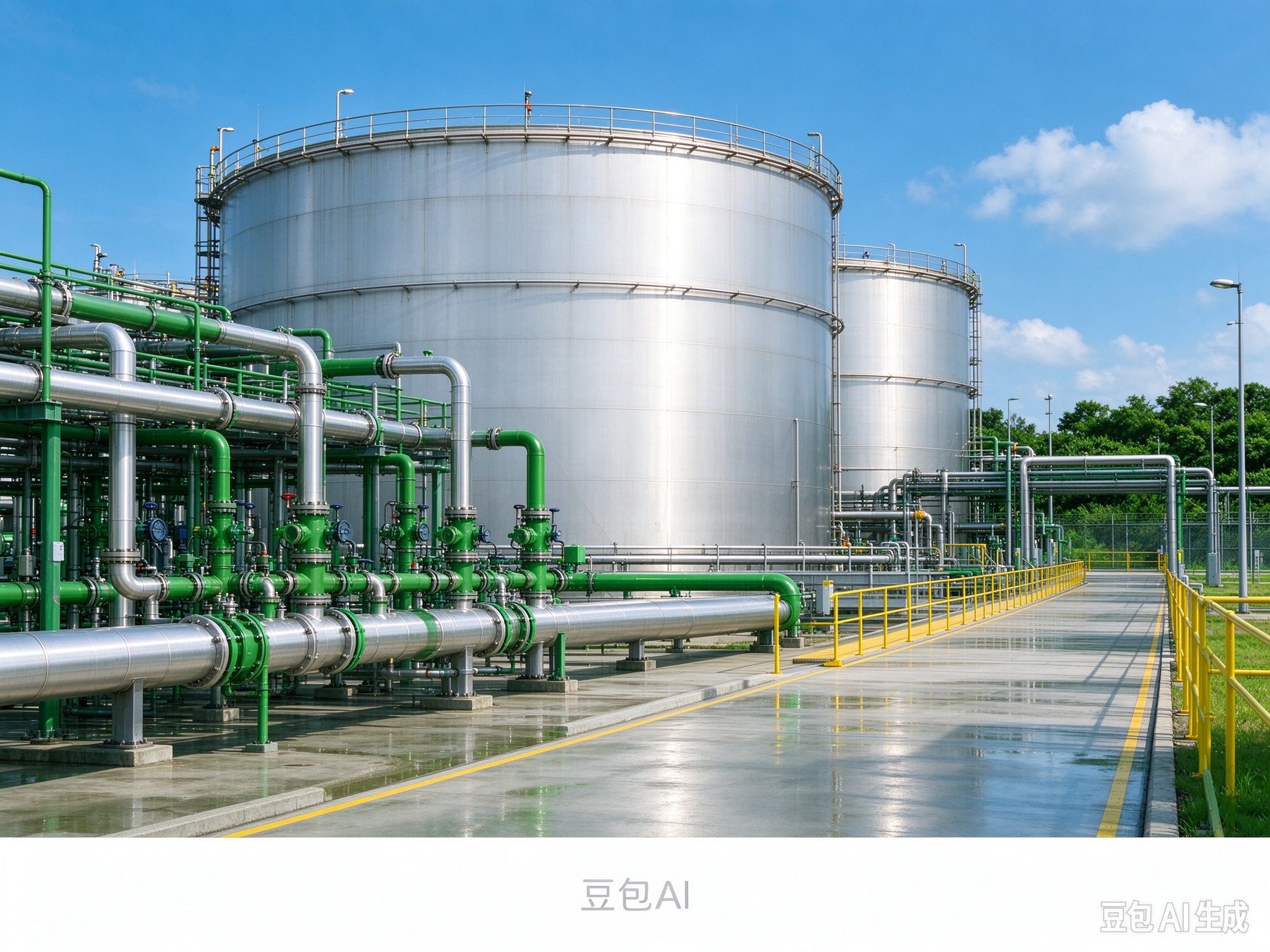
关于氢气安全的讨论,长期被压缩成“易燃易爆”四个字。但真正决定事故概率的,是一组可以量化的技术参数。2026年10月20日,云南省科协发布的氢能科普材料把这组参数摆了出来:氢气无色无臭,靠感官根本无法察觉;密度只有空气的十四分之一,泄漏后会迅速向上扩散,不会像液化气那样沉积在地面;燃烧范围很宽,空气中氢气体积分数达到4%到75%时遇火源就会燃烧甚至爆炸,这个范围比汽油蒸气宽得多;点火能量极低,仅需0.019毫焦耳,人体静电放电就能引燃;燃烧火焰呈淡蓝色,日光下几乎不可见,增加了隐蔽危险性。这五个参数共同定义了氢能安全的两个硬约束——因为轻且向上扩散,防护的第一道必须是通风与开放式布置;因为点火能量极低,防护的第二道必须是全链条的防静电与电气防爆。第三道则是检测与联锁。而这三道防线在实际运行中的可靠性,取决于它们各自的失效概率能否被持续监测。
五个参数里最容易被读错的两个
先说最要紧的一个:爆炸极限与燃烧范围不是同一个物理量。公开材料中存在两种并行表述,一类给出的是空气中氢气体积分数4%到75%的燃烧范围,另一类给出的则是13%到18.3%的爆炸下限。前者的严格表述是可燃浓度范围,即氢气与空气的混合比在低于4%或高于75%时不能被点燃;后者的13%到18.3%区间更接近某些场合引用的着火下限经验值,其数值偏高的原因通常与统计口径、测量方法以及纯度的定义有关。需要说明的是,公开信息未披露这两个区间各自所依据的具体标准版本与测试方法,因此不宜简单判定其中之一为错误,但把它们当作同一个指标使用,在工程上会直接导致报警阈值的设定错误——如果按18.3%设定探测器报警点,4%的可燃下限区间就被整段漏掉了。
第二个容易读错的是点火能量与引燃概率的关系。0.019毫焦耳这个数字本身没错,它说明的是氢气所需引燃能量极低,但点火能量只是化学层面的门槛,事故是否发生还取决于混合气是否处在可燃范围内、是否存在足够浓度的氧气、点火源是否与可燃混合物在空间和时间上相遇。这意味着安全防护不能只盯着“有没有火源”,还要管“有没有可燃混合物”——两者的逻辑是不同的。承认点火能量极低带来的是更严的静电控制与作业规范要求,而不是把所有能量源一律排除。
第三个值得展开的是密度带来的双重影响。氢气密度只有空气的十四分之一,泄漏后迅速向上扩散并容易在空间顶部积聚,这一特性通常被视为安全上的有利因素。但同一特性在密闭空间里会转化为危险:顶部积聚的氢气形成从下到上的浓度梯度,恰好在最不通风的位置形成最危险的分层。有行业口径称氢气泄漏后以约20米每秒的速度快速向上扩散,这一扩散速度意味着在有顶棚或隔层的构筑物内,积聚位置与探测器的安装高度直接决定探测有效性。探测器装在什么高度,不是安装规范的形式条款,而是决定这套系统能否起作用的技术前提。
加氢站防护体系:把每一层拆开看
从公开的防护措施看,加氢站与制氢车间的安全体系已经相当完整。第一层是通风:由于氢气比空气轻、泄漏后迅速向上飘散,站内普遍采用开放式设计并配备强制通风系统,每小时换气不少于12次,确保氢气不会在局部积聚到危险浓度。第二层是检漏:站内安装高灵敏度氢气检漏仪,一旦检测到氢气浓度超过安全阈值——通常为爆炸下限的1%——系统自动报警并启动应急处置;所有氢气管道和接头都经过严格的气密性测试。第三层是防爆:站内所有电气设备,包括灯具、开关、电机等,都必须符合防爆标准,公开材料引用的等级为ExdIIBT4级;同时配备可燃气体报警系统、紧急切断阀、泄压装置、防静电接地和防雷击保护等多重设施。
把这三层放进时间轴上,会发现它们的响应速度并不匹配。通风系统的启动依赖探测信号,而探测器本身的响应时间、量程与零点漂移特性决定了整个链条的反应起点。检漏仪把报警阈值设在爆炸下限的1%,这个设定在工程上是有讲究的——它给出了一定的安全裕度,代价是对早期微量泄漏的识别能力相应下降,也就是说,真正把系统推过危险阈值的往往不是一次探测失败,而是持续微量泄漏在裕度内缓慢累积的结果。这类缓慢累积型泄漏恰恰是检漏技术最难对付的形态。
第四层是管理制度,它在技术参数之外承担着相当一部分风险控制职责。天津就加氢站建设审批印发的通知对此提出了相当细的要求:加氢站应当建立健全并严格执行充装或者装载查验、记录制度,对氢气配送车辆的行驶证、营运证、驾押人员资质、车辆和罐体检验合格证明、电子运单等进行查验,不符合要求的应拒绝为其配送氢气;加氢装置的运行管理应符合《加氢站技术规范》(GB50516)中关于氢气系统运行管理的相关规定,并按规定对卸气柱、氢气压缩机、储氢容器、加氢机等相关设备,以及安全泄放装置、压力表、传感器、压力管道和储氢容器相关安全附件、氢气浓度超限报警装置、火焰探测装置等进行定期检验,保留检验信息与结果文件;按规定做好防雷、防静电、防爆检测并获得具备相应资质检测机构出具的合格报告;按制度规定定时巡检并保留巡检记录;委托具有相应资质的安全技术服务机构每三年对加氢站进行安全评价并出具安全评价报告。
应急管理方面,通知要求加氢站运行企业制定本企业应急预案,明确应急职责、规范应急程序、细化保障措施,审核合格后向区城市管理部门备案;有计划、有重点地组织开展应急演练,每半年至少组织1次专项演练,每年至少进行1次综合应急演练;设置并向社会公布抢险、抢修电话并保持通信畅通;发生泄漏、火灾、爆炸或其他突发事件时应立即启动应急预案,并按规定将事故信息及应急响应启动情况报告上级管理单位以及事故发生地所在区的城市管理部门和应急管理部门,不得迟报、漏报、谎报或者瞒报。三年一次的安全评价、每半年一次的专项演练、每年一次的综合演练,这三个周期构成了一条独立于设备寿命的管理节拍。
容易被低估的两个环节:材料与密封
在氢能安全的技术讨论中,检测与通风拿到的关注度远高于材料与密封,但实际上后者才是失效的源头。氢气的分子极小,在高压临氢环境下会渗入钢材内部,引发氢脆,长期运行可能导致管道开裂;国内现有天然气管道的管材牌号、服役年限、焊缝质量各不相同,能不能掺氢、掺多少比例,每一条管道都必须单独评估。这是输送环节的隐患。而在设备内部,碱性电解槽的氧气侧需要严格脱脂处理,碱性侧需使用哈氏C-276镀金部件,AEL与PEM路线的差压报警设定值还有差别(AEL 0.1级、PEM 0.075级)。这些参数琐碎,但它们共同构成了装置本体在氢环境下的材料边界。
密封环节的失效模式更隐蔽。有研究指出,裸露的316L膜片在湿氢环境下会出现3至6个月的零点漂移。这个数字意味着:一个刚通过验收的检测元件,在半年之后可能已经偏离标定值;而零点漂移不会触发任何形式的报警,它只是让读数慢慢失真,最终在某个时刻给出错误的判断。对加氢站与制氢车间而言,这类缓慢失效的处置方式是唯一有效的——依靠定期检验与定期更换,而不是依靠更好的算法。同理,加氢站的三年安全评价制度,其真正的价值也正在于用周期性的人工审视去对抗那些不会自己报警的失效模式。
技术路线的差异如何影响安全设计
氢能安全不是一套通用方案,它随制氢技术路线的选择而变。碱性与质子交换膜电解槽在安全关注点上完全不同:碱性路线的重点在隔膜老化破损导致的氢氧腔串气爆炸,其联锁围绕氢氧侧差压、碱液浓度、隔膜压差展开;质子交换膜路线的重点在膜针孔破损造成的氢氧直接跨膜混合,联锁围绕膜两侧压差、进水水质、贵金属催化剂中毒展开;固体氧化物路线的重点则是陶瓷开裂导致氢气在高温环境下自燃,联锁围绕温度梯度、陶瓷密封与氢气泄漏高温监测展开。这三套联锁逻辑无法互相移植,一套针对低温柔性介质的方案拿到高温体系里并不成立。
储运端的差异同样明显。加压储氢容器、管道、压缩机、加氢机各有各的检验要求与失效模式,定期检验的范围之所以把卸气柱、氢气压缩机、储氢容器、加氢机与安全泄放装置、压力表、传感器、压力管道一并列出,是因为这些部件共同构成了从储罐到枪口的完整承压链条,链条上任一环的失效都可能以泄漏形式释放。因此这些部件的检验不是各自独立的事务,而是对同一条链路的周期性复核——检测结果的价值,取决于能否把多点数据放在一起做关联判断。
判断:安全是一条会漏的链,不是一道防波堤
把2026年10月公开的这批材料汇总,可以给出四条判断。第一,氢能安全的技术基础已经相当扎实:0.019毫焦耳的点火能量、4%到75%的可燃范围、每平方米每小时12次以上的强制通风、爆炸下限1%的报警设定、ExdIIBT4级电气防爆、三年一次的安全评价与每半年一次的专项演练,这些构成了一个多层防护体系,其完备程度不低于其他任何工业气体品种。第二,真正薄弱的环节不在“有没有防护”,而在“防护会不会静默失效”——零点漂移与缓慢渗漏是两类不会自己报警的失效,而它们恰恰是事故的主要前兆。第三,公开表述中存在口径不一致的问题,爆炸下限与燃烧范围被混用会直接导致报警阈值设定错误,这是当前科普与工程对接环节最需要澄清的一点。第四,安全技术体系在实验室里是标准条款,在现场则是一条会漏的链——材料选型、密封结构、检测仪表量程、巡检与检验制度、演练与预案,每一环的失效都被下一环的裕度所掩盖,直到某一环的裕度被耗尽。
对工程与运营方来说,有几条实用的做法是从这些公开信息里可以直接推出来的。其一,报警阈值的设定必须写明所依据的可燃下限口径与标准版本,并按最保守的那一组参数取值,而不是按某个看起来更高的数字取值。其二,探测器的安装高度与位置需要按“向上积聚”的特性重新校核,而不是按与被测介质同高的常规做法布置。其三,把零点漂移与缓慢泄漏纳入定期检验与更换周期,用周期性的人工复核去对抗不会报警的失效。其四,把定期检验的结果做关联分析——卸气柱、压缩机、储氢容器、加氢机、传感器、泄放装置的数据放在一起看链条,而不是各自出具一份合格结论。
0.019毫焦耳不是一个用来吓人的数字,它是一条可执行的工程前提:静电必须管住,电气必须防爆,通风必须够量,探测必须准位。而比这些参数更值得关注的,是那些不会自己报警的失效——零点漂移、缓慢渗漏、检测口径混用。它们才是氢能安全真正的短板所在。(陈远)
本文参考资料来源于云南省科协、湖南省人民政府门户网站公开信息;天津市加氢站建设审批相关公开文件;国际氢能网、氢启未来网等公开技术资料。
Discussions about hydrogen safety have long been compressed into the four words 'flammable and explosive.' But what truly determines the probability of an accident is a set of technical parameters that can be quantified. On October 20, 2026, the Yunnan Association for Science and Technology released hydrogen energy popular science materials that laid out these parameters: hydrogen is colorless and odorless, making it imperceptible by the senses; its density is only one-fourteenth that of air, so it disperses upward rapidly when leaked and does not accumulate on the ground like liquefied gas; it has a wide flammability range, burning or even exploding when the hydrogen volume fraction in the air reaches 4% to 75%, which is much broader than gasoline vapor; the ignition energy is extremely low, only 0.019 millijoules, meaning a human static discharge can ignite it; and the flame is pale blue and almost invisible in daylight, adding to the hidden danger. These five parameters together define two hard safety constraints for hydrogen energy—because it is light and disperses upward, the first line of protection must be ventilation and open layout.
Because the ignition energy is extremely low, the second layer of protection must be a full-chain anti-static and explosion-proof electrical system. The third layer is detection and interlocking. The reliability of these three lines of defense in actual operation depends on whether their individual failure probabilities can be continuously monitored.
The two parameters most prone to misreading among the five.
Let's first address the most important point: the explosive limit and the flammability range are not the same physical quantity. Public materials contain two parallel statements: one provides a flammability range of hydrogen in air from 4% to 75% by volume, while the other gives an explosive lower limit of 13% to 18.3%. The strict term for the former is the combustible concentration range, meaning a hydrogen-air mixture cannot ignite if below 4% or above 75%; the 13% to 18.3% range of the latter is closer to empirical values cited for ignition limits in certain situations. The reason for the higher values is usually related to statistical criteria, measurement methods, and the definition of purity. It should be noted that public information does not disclose the specific standard versions and testing methods that these two ranges are based on, so it is not advisable to simply judge one as incorrect. However, treating them as the same indicator can directly lead to errors in setting alarm thresholds in engineering—if a detector's alarm point is set at 18.3%, the 4% lower combustible limit range would be completely missed.
The second thing that is easy to misread is the relationship between ignition energy and ignition probability. The figure of 0.019 millijoules is not wrong in itself; it indicates that hydrogen requires very little energy to ignite. However, ignition energy is only a chemical threshold. Whether an accident occurs also depends on whether the mixture is within the flammable range, whether there is enough oxygen concentration, and whether the ignition source and combustible mixture meet in space and time. This means that safety protection cannot focus solely on 'whether there is a fire source'; it also needs to consider 'whether there is a combustible mixture'—the logic of the two is different. Recognizing that the ignition energy is extremely low brings stricter requirements for static electricity control and operational procedures, rather than excluding all energy sources uniformly.
The third point worth elaborating on is the dual impact brought by density. Hydrogen has only one fourteenth the density of air, so after a leak it rapidly diffuses upward and easily accumulates at the top of a space, a characteristic usually considered a safety advantage. However, the same characteristic becomes dangerous in enclosed spaces: hydrogen accumulating at the top forms a concentration gradient from bottom to top, creating the most hazardous layering exactly in the least ventilated area. According to industry sources, after a hydrogen leak, it quickly diffuses upward at about 20 meters per second. This diffusion speed means that in structures with ceilings or partitions, the location of accumulation and the installation height of detectors directly determine the effectiveness of detection. The height at which detectors are installed is not just a formal requirement of installation codes but a technical prerequisite that determines whether the system can function.
Hydrogen refueling station protection system: examining each layer separately
From publicly available protective measures, the safety system of hydrogen refueling stations and hydrogen production workshops is already quite comprehensive. The first layer is ventilation: since hydrogen is lighter than air and disperses upward quickly when leaked, open designs are commonly used in the stations, equipped with forced ventilation systems that exchange air at least 12 times per hour, ensuring that hydrogen does not accumulate locally to dangerous concentrations. The second layer is leak detection: high-sensitivity hydrogen detectors are installed in the stations, and once hydrogen concentration exceeds the safety threshold—typically 1% of the lower explosive limit—the system automatically triggers an alarm and initiates emergency response; all hydrogen pipelines and joints undergo strict airtightness testing. The third layer is explosion protection: all electrical equipment in the station, including lamps, switches, and motors, must comply with explosion-proof standards, with the publicly cited level being ExdIIBT4; simultaneously, multiple facilities are equipped, including combustible gas alarm systems, emergency shut-off valves, pressure relief devices, anti-static grounding, and lightning protection.
When these three layers are placed on a timeline, it becomes apparent that their response speeds do not match. The startup of the ventilation system depends on the detection signal, while the detector's own response time, range, and zero drift characteristics determine the starting point of the entire chain's reaction. The leak detector sets the alarm threshold at 1% of the lower explosion limit; this setting is technically deliberate—it provides a certain safety margin, at the cost of reduced ability to detect early micro-leaks. In other words, it is often not a single detection failure that pushes the system past the danger threshold, but the slow accumulation of continuous micro-leaks within the margin. This type of slow-accumulating leak is precisely the form that leak detection technology finds most difficult to handle.
The fourth layer is the management system, which, beyond technical parameters, undertakes a considerable portion of risk control responsibilities. The notice issued in Tianjin regarding the approval of hydrogen refueling station construction sets forth detailed requirements in this regard: hydrogen refueling stations should establish and strictly implement a system for inspection and recording during refueling or loading; they must check the driving license, operating license, and qualifications of drivers and escorts, as well as the inspection certificates of vehicles and tanks, and electronic waybills of hydrogen delivery vehicles. Delivery of hydrogen should be refused if requirements are not met. The operation management of hydrogen refueling facilities should comply with the relevant provisions on hydrogen system operation management in the 'Hydrogen Refueling Station Technical Specification' (GB50516) and, according to regulations, regularly inspect related equipment such as discharging columns, hydrogen compressors, hydrogen storage vessels, and refueling machines, as well as safety release devices, pressure gauges, sensors, pressure pipelines and safety accessories of storage vessels, hydrogen concentration over-limit alarm devices, flame detection devices, etc., and retain inspection information and result documentation.
Carry out lightning protection, anti-static, and explosion-proof inspections in accordance with regulations and obtain qualified reports issued by institutions with the corresponding qualifications; conduct regular inspections according to system regulations and keep inspection records; entrust safety technical service institutions with the corresponding qualifications to conduct a safety evaluation of the hydrogen refueling station every three years and issue a safety evaluation report.
In terms of emergency management, the notice requires hydrogen station operating companies to formulate their own emergency plans, clarify emergency responsibilities, standardize emergency procedures, and detail safeguard measures, and to file them with the district urban management department after approval; organize emergency drills in a planned and focused manner, with at least one specialized drill every six months and at least one comprehensive emergency drill every year; set up and publicly announce emergency rescue and repair phone numbers while maintaining communication availability; in the event of a leak, fire, explosion, or other emergencies, the emergency plan must be immediately activated, and the accident information and the activation of the emergency response must be reported to the higher-level management units as well as the urban management and emergency management departments of the district where the accident occurred, without delay, omission, false reporting, or concealment. The three-year safety evaluation, the semi-annual specialized drill, and the annual comprehensive drill form a management rhythm independent of the equipment's lifespan. Two easily underestimated aspects: materials and sealing.
In technical discussions on hydrogen safety, detection and ventilation receive much more attention than materials and sealing, but in reality, the latter are the sources of failure. Hydrogen molecules are extremely small and can penetrate steel under high-pressure hydrogen environments, causing hydrogen embrittlement, and long-term operation may lead to pipeline cracking; the material grades, service life, and weld quality of existing domestic natural gas pipelines vary, so whether hydrogen can be blended and at what proportion must be evaluated individually for each pipeline. This is the hidden risk in the transportation phase. Inside the equipment, the oxygen side of alkaline electrolyzers requires strict degreasing, and the alkaline side must use Hastelloy C-276 gold-plated components. The differential pressure alarm settings also differ between the AEL and PEM routes (AEL 0.1 level, PEM 0.075 level). These parameters are minor, but together they form the material boundaries of the device itself in a hydrogen environment.
The failure modes of sealing components are more subtle. Research has pointed out that exposed 316L diaphragms can experience zero-point drift over 3 to 6 months in a humid hydrogen environment. This number implies that a detection element that has just passed inspection may already have deviated from its calibrated value after half a year; and zero-point drift will not trigger any form of alarm, it merely causes the readings to gradually become inaccurate, ultimately giving incorrect judgments at some point. For hydrogen refueling stations and hydrogen production workshops, the only effective way to deal with such slow failures is through regular inspection and periodic replacement, rather than relying on better algorithms. Similarly, the three-year safety evaluation system for hydrogen refueling stations truly derives its value from using periodic manual review to counter failure modes that do not self-alarm. How do differences in technical approaches affect safety design?
Hydrogen energy safety is not a one-size-fits-all solution; it changes with the choice of hydrogen production technology. Alkaline and proton exchange membrane electrolysis cells have completely different safety concerns: the focus of the alkaline route is on explosions caused by gas crossover between hydrogen and oxygen chambers due to diaphragm aging or damage, with interlocks based on hydrogen-oxygen side differential pressure, alkaline solution concentration, and diaphragm pressure difference; the focus of the proton exchange membrane route is on direct hydrogen-oxygen cross-membrane mixing caused by membrane pinhole damage, with interlocks based on the pressure difference on both sides of the membrane, water quality, and poisoning of precious metal catalysts; the focus of the solid oxide route is on hydrogen combustion in a high-temperature environment due to ceramic cracking, with interlocks based on temperature gradients, ceramic sealing, and high-temperature monitoring of hydrogen leakage. These three interlock logics cannot be transferred to each other; a solution designed for low-temperature flexible media does not work in a high-temperature system.
The differences on the storage and transportation side are also obvious. Compressed hydrogen storage tanks, pipelines, compressors, and hydrogen dispensers each have their own inspection requirements and failure modes. The reason why regular inspections include gas release columns, hydrogen compressors, storage tanks, dispensers, safety relief devices, pressure gauges, sensors, and pressure pipelines together is that these components collectively form a complete pressure-bearing chain from the storage tank to the nozzle. Failure of any link in the chain could result in release in the form of a leak. Therefore, inspections of these components are not independent tasks, but rather periodic reviews of the same chain—the value of the test results depends on whether multi-point data can be considered together for correlation analysis. Judgment: Safety is a leaky chain, not a breakwater.
Summarizing the batch of materials released in October 2026, four conclusions can be drawn. First, the technical foundation for hydrogen safety is already quite solid: an ignition energy of 0.019 millijoules, a flammable range of 4% to 75%, forced ventilation more than 12 times per hour per square meter, alarm settings at 1% of the lower explosive limit, Exd IIB T4 electrical explosion-proof standard, safety evaluations every three years, and specialized drills every six months—these constitute a multi-layered protection system whose completeness is no less than that of any other industrial gas variety. Second, the truly weak link is not in 'whether there is protection,' but in 'whether the protection might fail silently'—zero-point drift and slow leakage are two types of failure that do not trigger alarms themselves, and they are precisely the main precursors of accidents. Third, there are inconsistencies in the public statements; the lower explosive limit and the flammable range are sometimes confused, which can directly lead to incorrect alarm threshold settings. This is the point that most needs clarification in the current interface between popular science and engineering.
Fourth, the safety technology system is a standard provision in the laboratory, but on-site it is a chain that can leak—material selection, sealing structure, instrument range, inspection and testing systems, drills and contingency plans, each link's failure is covered by the margin of the next link, until the margin of a certain link is exhausted.
For engineers and operators, there are several practical practices that can be directly inferred from this publicly available information. First, the alarm threshold setting must specify the lower flammability limit and the standard version it is based on, and the most conservative set of parameters should be used, rather than picking a seemingly higher value. Second, the installation height and position of detectors need to be re-evaluated according to the 'upward accumulation' characteristic, rather than being arranged at the same height as the measured medium, which is the conventional method. Third, zero drift and slow leaks should be included in the regular inspection and replacement cycle, using periodic manual checks to counteract failures that do not trigger alarms. Fourth, the results of regular inspections should be analyzed in correlation — data from gas discharge columns, compressors, hydrogen storage containers, hydrogen dispensers, sensors, and venting devices should be examined together as a chain, rather than each issuing a separate pass conclusion.
0.019 millijoules is not a number meant to scare people; it is an actionable engineering premise: static electricity must be controlled, electrical systems must be explosion-proof, ventilation must be sufficient, and detection must be accurate. What is even more worth paying attention to than these parameters are the failures that do not trigger alarms on their own—zero-point drift, slow leaks, and mixed use of detection calibers. These are the true weak points in hydrogen safety. (Chen Yuan)
The reference materials for this article come from publicly available information on the Yunnan Provincial Association for Science and Technology, the Hunan Provincial Government portal; public documents related to the construction and approval of hydrogen refueling stations in Tianjin; and publicly available technical resources from the International Hydrogen Energy Network, Hydrogen Future Network, and other sources.
本网站摘录或转载的属于第三方的信息,目的在于传递更多信息,内容仅供参考。相关股票、投融资等资讯及分析并不代表本网站赞同其意见和对其真实性负责,不构成投资建议。
若不慎涉及侵权,请在相关内容刊发之日起 30 日内联系我们,我们将第一时间进行删除处理。
转载本网资讯请注明来源作者。本网原创文章、研究报告禁止转发。
Information excerpted or reprinted from third parties on this website is intended to convey more information for reference only. Related stocks, investment and financing news and analysis do not represent the endorsement of this website, nor does this website assume responsibility for their authenticity, and do not constitute investment advice.
If any content unintentionally infringes upon rights, please contact us within 30 days from the date of publication, and we will remove it as soon as possible.
When reprinting content from this website, please indicate the source and author. Original articles and research reports of this website may not be redistributed.
提交留言Submit message留下联系方式,平台将把您的需求推送给匹配的产业方Leave your contact details and we will match you with relevant industry partners.
数据来源与口径说明:本平台数据与资讯均以「唯一官方口径」采集与发布,优先采用国家部委、国家统计局、海关总署、中国氢能联盟、IEA / IRENA / IMO 等官方或政府间机构公开数据;同一指标只取一个来源,不做多源拼接。数值为公开发布值,可能因统计口径、产地与发布时间不同而存在差异,仅供参考,不构成交易依据。Data sources and methodology: all data and news on this platform are collected and published from a single official source, giving priority to public data from government bodies and intergovernmental organisations such as the National Bureau of Statistics, the General Administration of Customs, the China Hydrogen Alliance, and IEA / IRENA / IMO. One indicator has one source only and is never stitched together from multiple sources. Figures are published values and may vary with statistical scope, origin and release date. For reference only; not a basis for transactions.
相关信息Related Information同栏目 · 可直接进入各自最终页Same section · each opens its own final page
- 航天炉"点煤成金":从我国第一台自主粉煤加压气化炉到零碳负碳技术转型2026-10-12
- 18至25元对15元:绿氢成本逼近灰氢那一刻,8%至10%的项目收益是靠什么撑起来的2026-10-11
- 视频|海水制氢,中国突破!2026-10-11
- 陕西研制液氢航空地面保障系统完成全流程一体化测试2026-10-11
- 1121.05兆瓦与1062MW:2026上半年电解槽订单两个口径的差,与份额集中到46%的真相2026-10-11
- 从“气”到“氢”的一字之变 四川资阳打造成渝氢走廊氢源配送中心2026-10-10