
重卡绿色转型的换电解法Battery swapping solution for the green transformation of heavy trucks
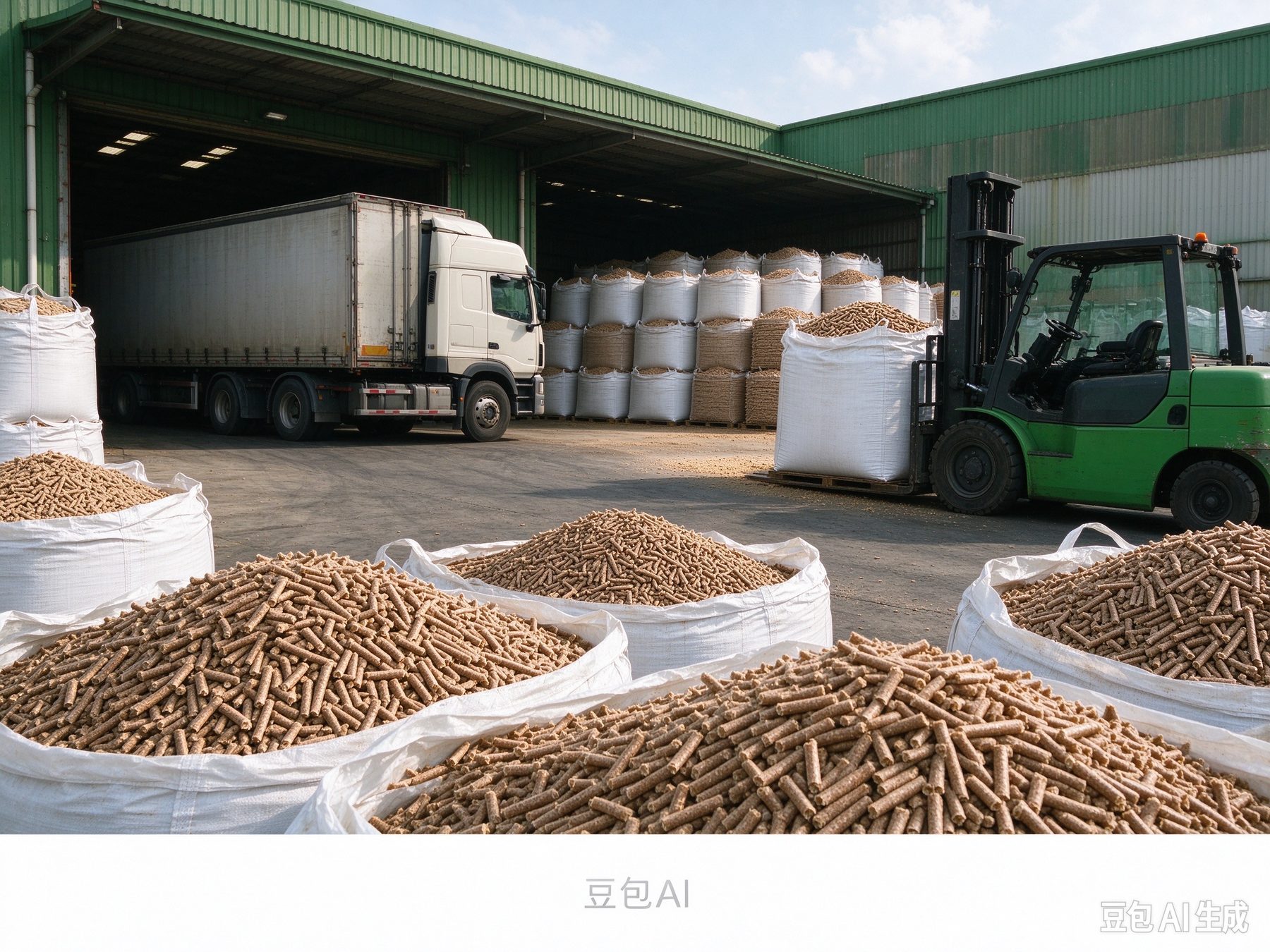
内蒙古准格尔旗一座新能源重卡充电站内,往来煤炭运输车辆有序完成补能,支撑矿区绿色运输转型;山东青岛港,一批搭载底部换电系统的新能源集装箱重卡正式投入运营,整车续驶里程达380公里。这些场景,是重卡行业正在经历的一场深刻绿色变革的缩影。
数字提供了有力佐证。今年9月,国内新能源重卡销售3.31万辆,同比增长37%,在重卡大盘中单月渗透率突破50%,达50.28%。而在5年前,这一比例尚不足1%,电动重卡只在一些场景零星出现。包括重卡在内的新能源商用车跑出发展加速度,背后有技术的持续突破,有生态的不断完善,也离不开政策的指引。
“十五五”规划纲要提出,推动交通动力低碳替代,加快货运、公共领域电动化和绿色燃料车船应用,提高大宗货物铁路、水路运输比重和新能源汽车运输比重。《推动新能源重卡规模化应用实施方案》进一步明确,到2030年新能源重卡渗透率达到40%,保有量突破160万辆、占比达到20%左右,并支持引导建设重卡充换电站3000个左右。
重卡电动化的减排价值不容忽视。全球重卡保有量约占车辆总量的9%,却占据了交通运输领域四分之一的碳排放。与此同时,重卡作为生产经营工具,“经济账”是影响买车、换车的关键因素。纯电车购车成本较高、电池衰减带来较高维修成本、车辆二手残值偏低,是横亘在新能源重卡赢得更大市场路上的几道关卡。
换电模式直指这些痛点。车电分离之后,买车不用“背”电池的钱,门槛低了一大截;三五分钟换一次电,与柴油车加油的速度大致相当;电池交给站点集中养护,用户不必再为衰减担心。正因如此,换电成为越来越多行业企业的选择。
企业层面的方案也在迭代。宁德时代近日发布“电电增程”方案,凭借创新的A+B双电池架构与新型运营模式,优化升级重卡换电体系。该方案依托车电分离模式、电池集中标准化运维与有动力车身,叠加电池租赁等灵活政策,降低购车成本、缩短回本周期、提升整车残值。按日均行驶400公里的运营场景测算,单车每年补能费用较柴油重卡可节省13万元。
支撑电动重卡快速发展的基础,是全球最完整、最强大也最具成本优势的电动车产业链。三电核心系统、整车制造、充换电配套设施等各个环节加快实现自主可控、高效协同,单项技术突破只是其中的一环。重卡电动化链条长、投入大,单靠一家企业难以包打天下。电池企业、车企、换电运营商、物流车队、金融机构和电网企业各展所长、协同发力,共同把补能网络铺开、把电池资产管好、把运营服务做优,绿色重卡才能跑得轻快、跑得长远。
从产业节奏看,重卡电动化的上半场解决的是车的问题,下半场要解决的是账的问题。宁德时代在新能源重卡换电领域的创新,为电动化下半场提供了一个可观察的样本。
At a renewable energy heavy truck charging station in Zhungeer Banner, Inner Mongolia, coal transportation vehicles are orderly replenishing energy, supporting the green transformation of mining area transportation; at Qingdao Port in Shandong, a batch of renewable energy container heavy trucks equipped with an underbody battery swap system have officially commenced operations, with a full-vehicle cruising range of 380 kilometers. These scenarios are a microcosm of the profound green transformation currently taking place in the heavy truck industry.
The numbers provide strong evidence. In September this year, domestic sales of renewable energy heavy trucks reached 33,100 units, a year-on-year increase of 37%. The monthly penetration rate in the heavy truck market exceeded 50%, reaching 50.28%. Five years ago, this proportion was less than 1%, and electric heavy trucks appeared only sporadically in a few scenarios. The acceleration in the development of renewable energy commercial vehicles, including heavy trucks, is supported by continuous technological breakthroughs, the ongoing improvement of the ecosystem, and also relies on policy guidance.
The '15th Five-Year Plan' outline proposes promoting low-carbon alternatives in transportation energy, accelerating the electrification of freight and public sectors, and the use of green fuel vehicles and vessels, while increasing the proportion of bulk cargo transported by rail and waterways as well as the share of renewable energy vehicles in transportation. The 'Implementation Plan for Promoting the Large-Scale Application of New Energy Heavy Trucks' further clarifies that by 2030, the penetration rate of renewable energy heavy trucks will reach 40%, with the number exceeding 1.6 million, accounting for about 20%, and supporting the guidance for the construction of around 3,000 heavy truck charging and battery swapping stations.
The emission reduction value of electrifying heavy trucks cannot be ignored. Globally, heavy trucks account for about 9% of total vehicles but contribute a quarter of carbon emissions in the transportation sector. At the same time, as heavy trucks are tools for production and operation, the 'economic calculation' is a key factor influencing decisions to buy or replace vehicles. The high purchase cost of pure electric vehicles, the high maintenance cost due to battery degradation, and the relatively low second-hand value of vehicles are several hurdles that renewable energy heavy trucks face in gaining a larger market share.
The battery swapping model directly addresses these pain points. After separating the vehicle from the battery, buying a car no longer requires paying for the battery, significantly lowering the threshold; swapping a battery in three to five minutes is roughly as fast as refueling a diesel vehicle; with batteries managed and maintained centrally at the stations, users no longer have to worry about battery degradation. For these reasons, battery swapping has become the choice of an increasing number of industry enterprises.
Enterprise-level solutions are also evolving. CATL recently launched the "Electric-Electric Range Extension" solution, optimizing and upgrading the heavy truck battery swapping system through its innovative A-B dual-battery architecture and new operational model. This solution, relying on the vehicle-battery separation model, standardized centralized battery maintenance, and powered vehicle bodies, combined with flexible policies such as battery leasing, reduces vehicle purchase costs, shortens the payback period, and enhances the residual value of the vehicle. Based on an operational scenario of an average daily mileage of 400 kilometers, the annual energy replenishment cost per vehicle can save 130,000 yuan compared to a diesel heavy truck.
The foundation for the rapid development of electric heavy trucks is the world's most complete, powerful, and cost-advantageous electric vehicle industry chain. All aspects, including the three core electric systems, vehicle manufacturing, and charging and battery-swapping infrastructure, are accelerating toward independent control and efficient coordination, with breakthroughs in individual technologies being only one part of the whole. The electrification chain for heavy trucks is long and requires significant investment; no single company can handle it all alone. Battery companies, vehicle manufacturers, battery-swapping operators, logistics fleets, financial institutions, and power grid companies each contribute their strengths and work collaboratively to expand the energy replenishment network, manage battery assets well, and optimize operational services. Only then can green heavy trucks run efficiently and sustainably.
From the perspective of industry rhythm, the first half of heavy truck electrification addresses vehicle-related issues, while the second half focuses on financial matters. CATL's innovations in the field of battery swapping for renewable energy heavy trucks provide an observable example for the second half of electrification.
[Source: People's Daily]
[Editor: Xiao Neng]
本网站摘录或转载的属于第三方的信息,目的在于传递更多信息,内容仅供参考。相关股票、投融资等资讯及分析并不代表本网站赞同其意见和对其真实性负责,不构成投资建议。
若不慎涉及侵权,请在相关内容刊发之日起 30 日内联系我们,我们将第一时间进行删除处理。
转载本网资讯请注明来源作者。本网原创文章、研究报告禁止转发。
Information excerpted or reprinted from third parties on this website is intended to convey more information for reference only. Related stocks, investment and financing news and analysis do not represent the endorsement of this website, nor does this website assume responsibility for their authenticity, and do not constitute investment advice.
If any content unintentionally infringes upon rights, please contact us within 30 days from the date of publication, and we will remove it as soon as possible.
When reprinting content from this website, please indicate the source and author. Original articles and research reports of this website may not be redistributed.
提交留言Submit message留下联系方式,平台将把您的需求推送给匹配的产业方Leave your contact details and we will match you with relevant industry partners.
数据来源与口径说明:本平台数据与资讯均以「唯一官方口径」采集与发布,优先采用国家部委、国家统计局、海关总署、中国氢能联盟、IEA / IRENA / IMO 等官方或政府间机构公开数据;同一指标只取一个来源,不做多源拼接。数值为公开发布值,可能因统计口径、产地与发布时间不同而存在差异,仅供参考,不构成交易依据。Data sources and methodology: all data and news on this platform are collected and published from a single official source, giving priority to public data from government bodies and intergovernmental organisations such as the National Bureau of Statistics, the General Administration of Customs, the China Hydrogen Alliance, and IEA / IRENA / IMO. One indicator has one source only and is never stitched together from multiple sources. Figures are published values and may vary with statistical scope, origin and release date. For reference only; not a basis for transactions.
相关信息Related Information同栏目 · 可直接进入各自最终页Same section · each opens its own final page
- 河南三城入选国家氢能试点2026-10-12
- 河南三城“氢”装上阵 郑州、鄂尔多斯建立“双主责”协同机制2026-10-12
- 多用户绿电直连项目申报启动!石家庄钢铁、石化、零碳园区等迎来绿电利用新机遇2026-10-11
- 我国氢能产业进入发展快车道2026-10-11
- 工信部《工业绿色低碳发展“十五五”规划》:2030年工业碳达峰与500个零碳工厂2026-10-10
- 内蒙古唯一、全国3个全链条试点之一 包头氢能产业向新向优2026-10-09