
三部门印发氢能综合应用试点管理办法 试点拓至5大城市群Three departments issued comprehensive hydrogen energy application pilot management measures, expanding the pilots to five major city clusters
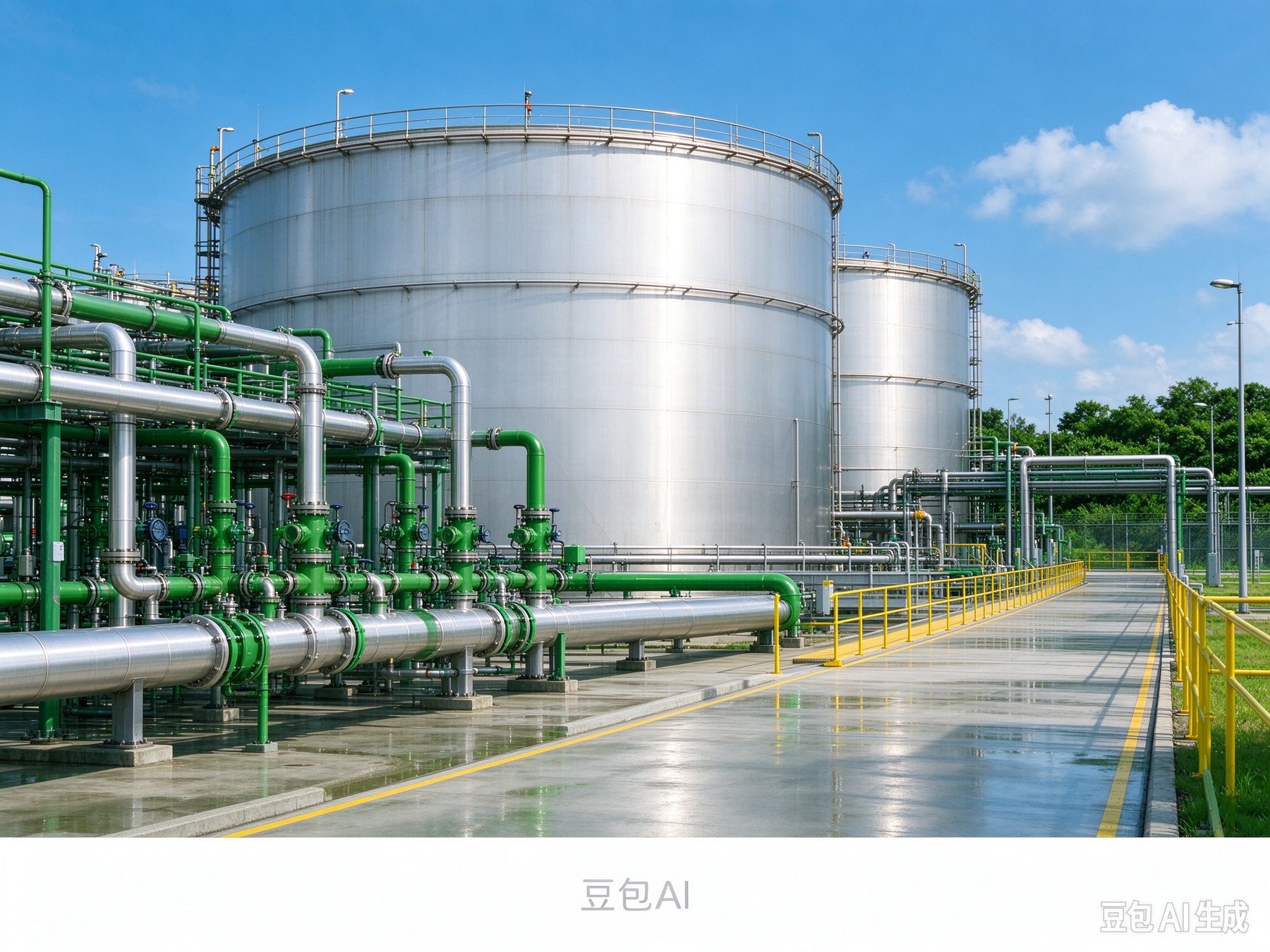
工业和信息化部办公厅、财政部办公厅、国家发展改革委办公厅近日联合印发《氢能综合应用试点工作管理办法》,并同意京津冀、大湾区、东北(含蒙东)—长三角、新疆—成渝地区双城经济圈、黄河几字弯—中原等5个城市群开展氢能综合应用试点,试点期4年。
此次试点的场景框架,延续了2026年3月工业和信息化部、财政部、国家发展改革委等三部门《关于开展氢能综合应用试点工作的通知》提出的“1个燃料电池汽车通用场景+N个工业领域应用场景+X个创新应用场景”。其中,燃料电池汽车作为通用场景保留,绿色氨醇、氢基化工原料替代、氢冶金、掺氢燃烧成为四大工业应用方向,船舶、航空、轨道交通等纳入创新应用拓展范围。
按照此前通知要求,5个城市群需抓紧推进氢能技术装备攻关、工业领域氢能项目、燃料电池汽车推广、加氢站建设等4张清单落实落地,形成氢能产业发展可复制、可推广的经验。从区域布局看,各城市群结合自身产业基础推进氢能综合应用,试点不再是单一的技术示范,而是以清单化方式推进项目落地。
奖励机制方面,单个城市群四年奖励上限不超过16亿元,中央财政采取“先预拨、后清算”方式,年度考核不合格即暂停拨付当年资金;奖励积分向绿色氨醇、氢冶金等用氢规模较大的工业场景倾斜,并设置逐年退坡机制。预拨与清算相结合的安排,把资金拨付节奏与年度考核结果挂钩,退坡机制则指向试点期内的自我造血能力。
政策背景方面,2025年施行的《中华人民共和国能源法》将氢能纳入能源体系,2026年政府工作报告将氢能定位为“新增长点”。与上一轮以燃料电池汽车示范为主的政策相比,本轮试点覆盖范围有所扩大,应用场景由交通领域进一步延伸至工业领域。
从行业运行情况看,上一轮燃料电池汽车示范城市群示范期已于2025年12月31日结束,此后行业一度处于政策空窗期。新政策接续落地,为行业提供了较为明确的延续预期,且应用场景较上一轮有所拓展。过去氢能应用主要围绕车用场景展开,市场空间受加氢站密度和车辆推广节奏制约;随着绿色氨醇、氢冶金、掺氢燃烧等工业场景纳入,氢能消纳和商业化验证空间进一步扩大。
The General Office of the Ministry of Industry and Information Technology, the General Office of the Ministry of Finance, and the General Office of the National Development and Reform Commission recently jointly issued the "Administrative Measures for Hydrogen Energy Comprehensive Application Pilot Projects" and agreed to carry out hydrogen energy comprehensive application pilots in five city clusters: Beijing-Tianjin-Hebei, the Greater Bay Area, Northeast China (including eastern Inner Mongolia) — Yangtze River Delta, Xinjiang — Chengdu-Chongqing Twin City Economic Circle, and the Yellow River bend — Central Plains. The pilot period will be four years.
The scenario framework for this pilot continues the approach proposed in March 2026 by the Ministry of Industry and Information Technology, the Ministry of Finance, and the National Development and Reform Commission in the "Notice on Carrying out Hydrogen Energy Comprehensive Application Pilot Projects," which suggested '1 general scenario for fuel cell vehicles, N industrial application scenarios, and X innovative application scenarios.' Among them, fuel cell vehicles are retained as the general scenario, while green ammonia and methanol, hydrogen-based chemical feedstock replacement, hydrogen metallurgy, and hydrogen-blended combustion have become the four major industrial application directions. Ships, aviation, rail transit, and other sectors are included in the scope of innovative application expansion.
According to previous notification requirements, the five city clusters need to promptly advance the implementation of the four lists: hydrogen technology and equipment research, hydrogen energy projects in the industrial sector, fuel cell vehicle promotion, and hydrogen refueling station construction, forming replicable and promotable experiences for the development of the hydrogen energy industry. In terms of regional layout, each city cluster promotes comprehensive hydrogen energy applications based on its own industrial foundation, with pilot projects no longer being single technical demonstrations but rather advancing project implementation in a list-based manner.
Regarding the reward mechanism, the maximum reward for a single city cluster over four years does not exceed 1.6 billion yuan. The central government adopts a "pre-allocation followed by settlement" approach, and annual funds will be suspended if the yearly assessment is not qualified. Reward points are tilted towards industrial scenarios with large-scale hydrogen use, such as green ammonia and hydrogen metallurgy, and a gradual reduction mechanism is set up year by year. The arrangement combining pre-allocation and settlement links the pace of fund disbursement with annual assessment results, while the reduction mechanism targets the pilot period's self-sustainability.
In terms of policy background, the Energy Law of the People's Republic of China, which will be implemented in 2025, incorporates hydrogen energy into the energy system. The 2026 government work report identifies hydrogen energy as a 'new growth point.' Compared with the previous round of policies focused mainly on fuel cell vehicle demonstrations, the current pilot program covers a broader scope, and the application scenarios have expanded from the transportation sector to the industrial sector.
From the perspective of industry operations, the demonstration period for the previous round of fuel cell vehicle demonstration city clusters ended on December 31, 2025. After that, the industry experienced a temporary policy gap. The implementation of new policies provides the industry with relatively clear expectations for continuity, and the application scenarios have expanded compared to the previous round. In the past, hydrogen energy applications were mainly centered on vehicle scenarios, and market potential was limited by the density of hydrogen refueling stations and the pace of vehicle promotion. With the inclusion of industrial scenarios such as green ammonia, hydrogen metallurgy, and hydrogen-blended combustion, the space for hydrogen energy consumption and commercial validation has further expanded.
[Source: CCTV]
[Editor: Xiao Neng]
本网站摘录或转载的属于第三方的信息,目的在于传递更多信息,内容仅供参考。相关股票、投融资等资讯及分析并不代表本网站赞同其意见和对其真实性负责,不构成投资建议。
若不慎涉及侵权,请在相关内容刊发之日起 30 日内联系我们,我们将第一时间进行删除处理。
转载本网资讯请注明来源作者。本网原创文章、研究报告禁止转发。
Information excerpted or reprinted from third parties on this website is intended to convey more information for reference only. Related stocks, investment and financing news and analysis do not represent the endorsement of this website, nor does this website assume responsibility for their authenticity, and do not constitute investment advice.
If any content unintentionally infringes upon rights, please contact us within 30 days from the date of publication, and we will remove it as soon as possible.
When reprinting content from this website, please indicate the source and author. Original articles and research reports of this website may not be redistributed.
提交留言Submit message留下联系方式,平台将把您的需求推送给匹配的产业方Leave your contact details and we will match you with relevant industry partners.
数据来源与口径说明:本平台数据与资讯均以「唯一官方口径」采集与发布,优先采用国家部委、国家统计局、海关总署、中国氢能联盟、IEA / IRENA / IMO 等官方或政府间机构公开数据;同一指标只取一个来源,不做多源拼接。数值为公开发布值,可能因统计口径、产地与发布时间不同而存在差异,仅供参考,不构成交易依据。Data sources and methodology: all data and news on this platform are collected and published from a single official source, giving priority to public data from government bodies and intergovernmental organisations such as the National Bureau of Statistics, the General Administration of Customs, the China Hydrogen Alliance, and IEA / IRENA / IMO. One indicator has one source only and is never stitched together from multiple sources. Figures are published values and may vary with statistical scope, origin and release date. For reference only; not a basis for transactions.
相关信息Related Information同栏目 · 可直接进入各自最终页Same section · each opens its own final page
- 河南三城入选国家氢能试点2026-10-12
- 河南三城“氢”装上阵 郑州、鄂尔多斯建立“双主责”协同机制2026-10-12
- 多用户绿电直连项目申报启动!石家庄钢铁、石化、零碳园区等迎来绿电利用新机遇2026-10-11
- 我国氢能产业进入发展快车道2026-10-11
- 工信部《工业绿色低碳发展“十五五”规划》:2030年工业碳达峰与500个零碳工厂2026-10-10
- 内蒙古唯一、全国3个全链条试点之一 包头氢能产业向新向优2026-10-09