
中国餐厨废油能否为未来航班供能?可持续航空燃料路径受关注Can China's restaurant kitchen waste oil fuel future flights? Sustainable aviation fuel pathways attract attention
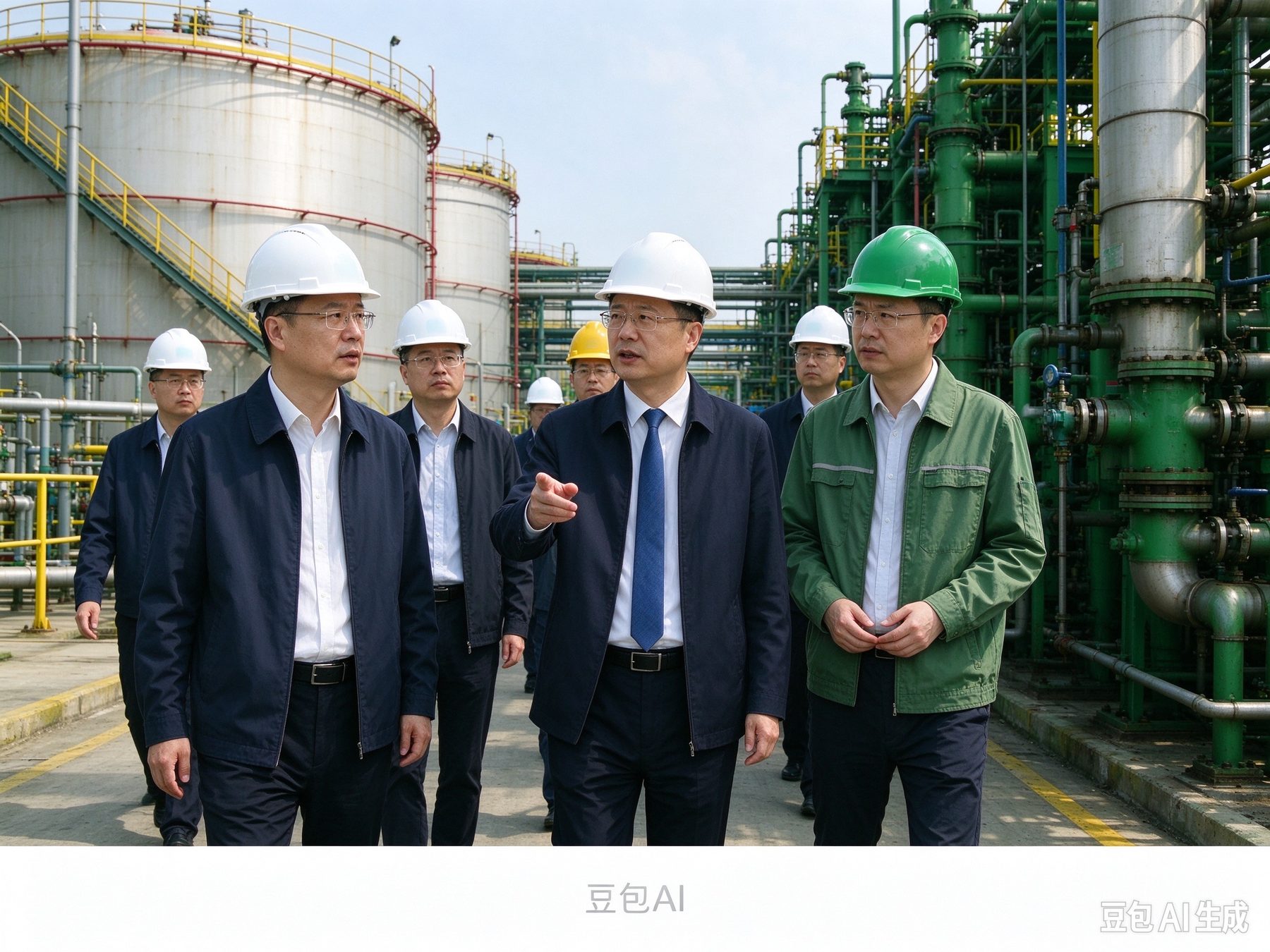
【绿色燃料国际商务网】获悉,中国每年产生数百万吨餐厨废油,这类曾被视作废弃物的油脂,正成为航空业脱碳的重要原料。公开播出的专题节目走访了废油收运、预处理与中国首套工业化可持续航空燃料(SAF)装置的多个现场,呈现“地沟油”变航煤的完整链条。
节目镜头先来到餐厅后厨的废油收运环节。公开画面显示,收油工人每晚从城市餐饮商户的隔油池、下水道中打捞废弃油脂,一个两人小组每夜可回收多达800公斤废油。这些废油被运抵本地预处理设施,先经静置沉淀,使水与较重固体沉底、油脂上浮,再经离心进一步提纯。成都金博三丰化工有限公司项目负责人介绍,预处理后成品的含油率可达98%,甚至接近99%,产出物被称为工业级混合油。
提炼后的工业级混合油被运往浙江宁波的镇海炼化园区。公开信息显示,镇海炼化建有中国首套工业化规模的可持续航空燃料装置。中国石化镇海炼化公司工程师朱刘金介绍,该装置设计年处理餐厨废油10万吨,相当于一座千万人口城市一年收集的“地沟油”总量。
将餐厨废油转化为可用于飞机的燃料,关键在于分子层面的改造。公开资料显示,航煤由烃类混合而成,而废油主要成分为脂肪酸与甘油三酯,多含一个氧元素。在生产中,通过控制压力、温度与催化剂,向原料加氢以脱除氧分子,得到以直链烷烃为主的产品;随后再经历一道加氢辅助工艺,将过长过直的碳链切断并重塑,使其适配喷气燃料标准。
镇海炼化高级质量控制主管王珏在现场对比了常规柴油与SAF的低温表现:在零下62摄氏度的环境中,常规柴油已冻结成块、完全无法流动,而SAF仍保持良好流动性,满足高空低温飞行要求。
从全生命周期看,以餐厨废油为原料的SAF最多可实现约80%的碳减排,是当前为数不多可规模化落地的航空脱碳方案之一。相关分析指出,动植物油脂属于生物质,植物在生长过程中吸收二氧化碳,而餐厨废油则是对废弃物的再利用,这正是其“可持续”的含义所在。
不过,SAF的规模化推广仍面临现实瓶颈。朱刘金表示,主要障碍在于成本,从原料到生产工艺,SAF的成本可达常规航煤的两到三倍。对于燃油本就是最大运营成本之一的航空公司而言,这笔“绿色溢价”难以轻松消化。与此同时,原料供给有限,仅靠餐厨废油无法支撑航空业的未来燃料需求。
公开信息显示,行业正探索乙醇、农林废弃物、退役生物质乃至捕集二氧化碳等更多原料路线,但上述替代路径尚未形成有规模的产能。朱刘金认为,在迈向碳达峰、碳中和的进程中,可持续航空燃料的重要性将日益凸显。
[Green Fuel International Business Network] has learned that China produces millions of tons of kitchen waste oil each year. This type of oil, once considered waste, is becoming an important raw material for decarbonization in the aviation industry. A publicly broadcast special program visited multiple sites involved in waste oil collection, pretreatment, and China’s first industrial-scale sustainable aviation fuel (SAF) facility, presenting the complete chain from 'gutter oil' to aviation fuel.
The program first showed the collection of waste oil in restaurant kitchens. Public footage revealed that oil collectors retrieve discarded grease every night from restaurant grease traps and sewers. A two-person team can collect up to 800 kilograms of waste oil each night. The oil is then transported to local pretreatment facilities, where it is first allowed to settle so that water and heavier solids sink and the oil floats to the top, and then further purified by centrifugation. The project leader of Chengdu Jinbo Sanfeng Chemical Co., Ltd. explained that after pretreatment, the finished product can reach an oil content of 98%, even approaching 99%, and the output is referred to as industrial-grade mixed oil.
The refined industrial-grade blended oil is transported to the Zhenhai Refining and Chemical Park in Ningbo, Zhejiang. Public information shows that Zhenhai Refining has built China’s first industrial-scale sustainable aviation fuel facility. Zhu Liujin, an engineer at Sinopec Zhenhai Refining and Chemical Company, introduced that the facility is designed to process 100,000 tons of kitchen waste oil annually, equivalent to the total amount of "gutter oil" collected in a city of ten million people in one year.
The key to converting kitchen waste oil into fuel that can be used for airplanes lies in molecular-level modification. Public information shows that aviation kerosene is composed of hydrocarbons, while waste oil is primarily made up of fatty acids and triglycerides, which contain one oxygen atom. In production, hydrogen is added to the raw material under controlled pressure, temperature, and catalysts to remove oxygen molecules, resulting in a product mainly composed of straight-chain alkanes; it then undergoes an additional hydrogen-assisted process, where excessively long and straight carbon chains are cut and reshaped to meet jet fuel standards.
Wang Jue, Senior Quality Control Supervisor at Zhenhai Refining & Chemical, compared the low-temperature performance of conventional diesel and SAF on-site: in an environment of minus 62 degrees Celsius, conventional diesel had already frozen into blocks and could not flow at all, whereas SAF still maintained good fluidity, meeting the requirements for high-altitude, low-temperature flight.
From a full lifecycle perspective, SAF produced from waste cooking oil can achieve up to about 80% carbon reduction, making it one of the few scalable solutions for aviation decarbonization currently available. Relevant analyses indicate that animal and vegetable oils are biomass; plants absorb carbon dioxide during growth, and waste cooking oil represents the reutilization of waste, which is the meaning of its 'sustainability'.
However, the large-scale promotion of SAF still faces practical bottlenecks. Zhu Liujin stated that the main obstacle is cost. From raw materials to production processes, SAF can cost two to three times as much as conventional jet fuel. For airlines, for which fuel is one of the largest operating costs, this 'green premium' is difficult to easily absorb. At the same time, raw material supply is limited, and relying solely on waste cooking oil cannot support the future fuel demand of the aviation industry.
Public information shows that the industry is exploring more raw material routes such as ethanol, agricultural and forestry waste, retired biomass, and even captured carbon dioxide, but the above alternative paths have not yet formed large-scale production capacity. Zhu Liu Jin believes that in the process of reaching carbon peak and carbon neutrality, the importance of sustainable aviation fuel will become increasingly prominent.
[Source: CGTN]
[Editor: Xiao Neng]
本网站摘录或转载的属于第三方的信息,目的在于传递更多信息,内容仅供参考。相关股票、投融资等资讯及分析并不代表本网站赞同其意见和对其真实性负责,不构成投资建议。
若不慎涉及侵权,请在相关内容刊发之日起 30 日内联系我们,我们将第一时间进行删除处理。
转载本网资讯请注明来源作者。本网原创文章、研究报告禁止转发。
Information excerpted or reprinted from third parties on this website is intended to convey more information for reference only. Related stocks, investment and financing news and analysis do not represent the endorsement of this website, nor does this website assume responsibility for their authenticity, and do not constitute investment advice.
If any content unintentionally infringes upon rights, please contact us within 30 days from the date of publication, and we will remove it as soon as possible.
When reprinting content from this website, please indicate the source and author. Original articles and research reports of this website may not be redistributed.
提交留言Submit message留下联系方式,平台将把您的需求推送给匹配的产业方Leave your contact details and we will match you with relevant industry partners.
数据来源与口径说明:本平台数据与资讯均以「唯一官方口径」采集与发布,优先采用国家部委、国家统计局、海关总署、中国氢能联盟、IEA / IRENA / IMO 等官方或政府间机构公开数据;同一指标只取一个来源,不做多源拼接。数值为公开发布值,可能因统计口径、产地与发布时间不同而存在差异,仅供参考,不构成交易依据。Data sources and methodology: all data and news on this platform are collected and published from a single official source, giving priority to public data from government bodies and intergovernmental organisations such as the National Bureau of Statistics, the General Administration of Customs, the China Hydrogen Alliance, and IEA / IRENA / IMO. One indicator has one source only and is never stitched together from multiple sources. Figures are published values and may vary with statistical scope, origin and release date. For reference only; not a basis for transactions.
相关信息Related Information同栏目 · 可直接进入各自最终页Same section · each opens its own final page
- 资源受限,超大城市怎么搞绿电?2026-09-06
- 我国首份绿色燃料全景报告发布:绿色甲醇产能占全球约六成2026-08-10
- 落基山研究所发布绿氨绿醇报告 提出从供给动能转向需求牵引2026-05-29