
90万吨与2200万吨:绿色氨醇的产能兑现率与87%的绿色溢价900,000 tons and 22 million tons: the capacity fulfillment rate of green ammonia and an 87% green premium
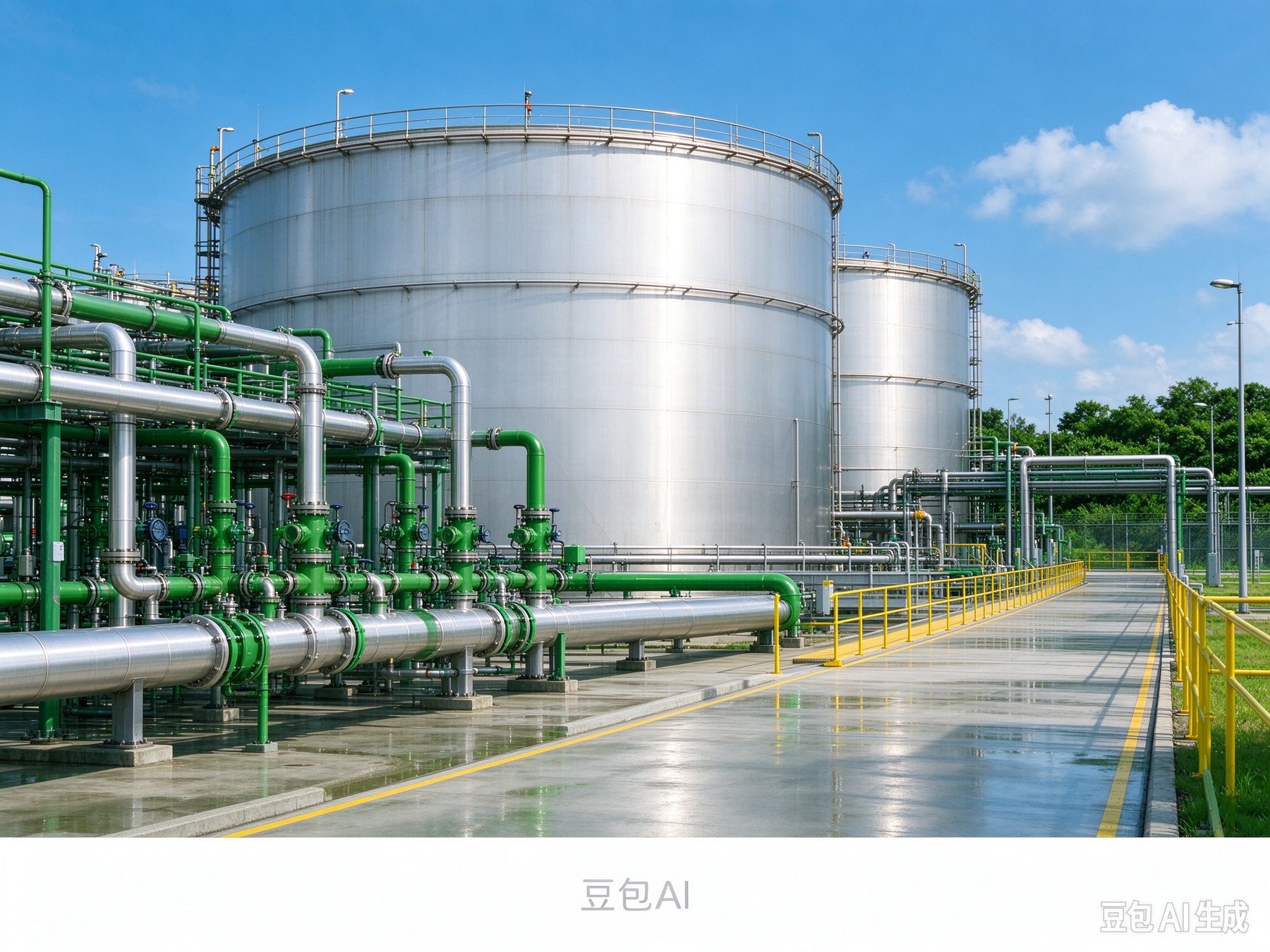
一、先看两组产能:已建成的与已规划的
判断一个新兴产业处在什么阶段,最直接的方法是比较已建成产能与规划产能之间的落差。GGII《中国电解水制氢项目数据库》提供了一组可用于这一比较的数据:国内绿氨、绿色甲醇的建成产能分别为90万吨/年、40万吨/年,而全国规划绿氨总产能大于2200万吨/年、绿色甲醇规划产能达4000万吨/年。按此测算,规划产能的兑现率不足5%。
在产业研究中,不足5%的兑现率通常指向两种截然不同的解释。第一种是产业处在极早期,规划先行、产能滞后属于正常现象,兑现率会随时间上升;第二种是规划本身存在虚高,部分项目缺乏资源与消纳条件,最终难以落地。区分这两种解释需要第三个变量——项目的实际推进状态。从公开信息看,2026年下半年确实出现了一批从设计走向施工与调试的项目:辽源项目进入整体联动调试、梨树项目全面开工、沈阳项目分期建设,这些项目的共同特征是有明确的资源配套(自建风光)、明确的原料来源(秸秆收储站或生物质收储体系)与明确的消纳安排(船用燃料或化工原料)。这一批项目的推进状态支持第一种解释,但也同时说明:能够真正落地的是那些把资源、原料与消纳三件事同时落实的项目。
从产能结构上看,绿色甲醇的建成产能只有绿氨的一半(40万吨对90万吨),而规划产能却接近绿氨的两倍(4000万吨对2200万吨)。这一反差说明绿色甲醇的规划更激进、落地更滞后。原因在于技术路线差异:绿氨的合成工艺与现有合成氨装置高度兼容,可通过改造现有装置降低初始投资;而绿色甲醇(特别是电制甲醇路线)需要新建二氧化碳捕集或生物质气化环节,工艺链条更长、投资更重。辽源项目的表述印证了这一点——它是国内首个以纯“绿氢加二氧化碳”路线实现规模化电制甲醇的项目,同时是“全球在建项目中单体规模最大的电制甲醇设施之一”,首创属性与规模属性叠加,正是高投资门槛的体现。
二、辽源样本:286亿元与三期17万吨的节奏
辽源项目的数据可以拆出几个关键刻度。总投资286亿元,配套2.6吉瓦风电设施、一期一套年产17万吨绿色甲醇装置、二期两套年产17万吨绿色甲醇装置;项目以废弃矿坑生态修复为依托,建成9座秸秆收储站以稳定保障碳源供给,并通过自建风电体系与专属输电线路实现绿电就地消纳、全流程溯源利用。项目已于2026年10月8日进入整体联动调试阶段,覆盖绿电、制氢、制醇等环节的产业链开启整体联动。
第一组刻度是单位投资强度。286亿元总投资对应2.6吉瓦风电与最终51万吨绿色甲醇产能(一期17万吨加二期两套17万吨),按最终产能折算,单位产能投资约5.6万元/吨。作为对照,沈阳项目的总投资320亿元对应一期10万吨绿色甲醇、二期30万吨绿色航油、三期10万吨绿氨,合计50万吨液体燃料产能,单位产能投资约6.4万元/吨。两个项目的单位产能投资处于同一量级,说明氢基液体燃料项目的投资强度具有较强的规律性,其主导因素是自建风电装机的规模。
第二组刻度是装备与产能的匹配比例。辽源项目2.6吉瓦风电对应51万吨绿醇产能,约合每万吨产能配50兆瓦风电;沈阳项目2吉瓦风电对应50万吨液体燃料产能,约为每万吨40兆瓦。两者均处在每万吨40至50兆瓦的区间,这一比例取决于电解槽电耗、合成工段能耗与年利用小时数的综合结果,可以作为评估同类项目资源配套是否合理的参照。
第三组刻度是碳源的组织方式。辽源项目建成9座秸秆收储站,规模达到9座说明碳源收集不是附带环节,而是项目运行的前提条件。这一点在梨树项目上表现得更直接——该项目达产后年可消纳玉米秸秆约70万吨、年产绿色甲醇19.72万吨,即每吨绿色甲醇需要约3.55吨秸秆作为碳源。这个比例关系决定了项目的选址约束:必须落在秸秆资源集中且可就近收储的区域,否则原料的收集与运输成本会侵蚀项目的经济性。
第四组刻度是认证的时间投入。辽源项目已通过ISCC EU国际认证、具备欧盟绿色燃料出口资质;沈阳项目在开工前的规划阶段即明确了产品的外销定位。这两条信息指向同一个事实:认证不是投产后的补办手续,而是项目设计阶段就需要嵌入的约束条件。认证要求的具体内容将在后文展开,但其对项目设计的反向约束是明确的——碳源必须是生物质或直接空气捕集、绿电需要可溯源、制氢环节需要实时匹配,这三项要求分别对应原料采购、电力交易与生产管控三个环节。
三、绿色溢价的算术:87%至134%
产业能否从示范走向商业化的核心变量是价格,而绿色氨醇的价格结构呈现出一个独特的形态:成本已经可算,溢价已经明确,但平价尚未到来。GGII的数据给出了完整的算术:以甲醇为例,国内灰色甲醇现货均价约2938元/吨,绿色甲醇出厂价5800至7000元/吨,当前生产成本约4500元/吨。表面看毛利率不低,但实际投产项目屈指可数。原因在于成本主要来自绿氢和二氧化碳原料,且项目还受绿氢价格、二氧化碳来源稳定性、绿色认证与下游消纳的多重制约,账面毛利难以转化为可复制收益。
绿氨的经济性挑战更为突出。国内煤制灰氨现货均价约2569元/吨,绿氨价格约4800至6000元/吨,绿色溢价高达87%至134%。其成本结构中绿氢占比通常超过六成,而绿氢成本又主要由电价与设备利用率决定。把两组数据放在一起看,可以提炼出绿色氨醇的成本传导链条:终端价格由绿色溢价决定,溢价幅度由绿氢成本决定,绿氢成本由电价与设备利用率决定,而设备利用率又受自建风光的规模与消纳能力制约。链条的每一环都在放大或收缩下一环的成本。
这一传导链条在项目设计上表现为一个规模两难。公开分析指出,多数绿氨绿醇项目采用离网自建风光模式,由此陷入两难:扩大风光装机可以提高电解槽利用小时数,却推高初始投资;缩小规模以压投资,则产能不足,难以签订长协、锁定消纳。辽源项目的2.6吉瓦风电与沈阳项目的2吉瓦风电,都是在这一两难中选择了“先上规模”的一侧——用更大的风光装机换取更高的设备利用率与更长协的议价能力。这一选择的经济含义是:项目在投运初期需要承受较高的折旧负担,但具备了签订长期供货协议的能力。
把绿色溢价与长期协议放在一起,可以理解绿色氨醇的商业模式实质。当前一个关键进展是:绿氨绿醇项目投产后,长协订单排队出海,港口加注纪录不断刷新,中央财政补贴框架落地,ISCC认证体系逐步打通——行业关注的重点,已从项目能否落地,转向稳定销路、项目持续运行、认证如何落地。这一转变的意义在于,产业的评价标准从“建成产能”转向“有效销量”。对投资者而言,这意味着评估绿色氨醇项目需要增加一项关键指标:已签订长协的销量占设计产能的比例,而非单纯的产能规模。
四、认证是另一条门槛:ISCC与RFNBO的三项要求
绿色氨醇的核心需求不在国内,而在国际航运与化工巨头的减碳合规压力上。这一需求结构决定了认证的特殊地位:绿氨绿醇要进入欧盟市场,必须证明全生命周期碳排放满足RFNBO(可再生能源燃料)要求,核心包括三项——涉及电力来源的绿证核销、电解制氢的实时匹配、碳源必须是生物质或直接空气捕集。
三项要求分别构成了对项目三个环节的硬约束。绿证核销约束的是电力环节:项目必须能够证明所用电力来自可再生能源,并提供相应的核销凭证;这就意味着自建风光不仅是成本选择,更是认证前提。电解制氢的实时匹配约束的是生产环节:电力与氢气的生产需要在时间上对应,这对离网项目的运行管理提出了更高的技术要求,也为数字孪生等监测技术创造了需求。碳源必须是生物质或直接空气捕集,约束的是原料环节:这直接决定了绿色甲醇的成本结构,也解释了为什么辽源项目需要建设9座秸秆收储站、梨树项目需要年消纳70万吨玉米秸秆。
从产业链价值分布看,认证要求会改变各环节的相对重要性。在纯成本视角下,电解槽与合成装置是价值的主要载体;在认证视角下,可溯源的电力、可追踪的碳源与可核查的生产数据成为新的关键能力。这与CCER机制的衔接也值得关注:绿氢项目已纳入国家核证自愿减排量机制,可通过获取碳资产收益弥补绿氢的成本劣势。这意味着一个完整的绿色氨醇项目需要同时管理三套资产——产品本身的销售、绿电与环境价值的核算、碳资产的申报与交易。三套资产的管理能力,将成为项目盈利能力的重要变量。
五、产业链各环节的利润分布
把成本结构拆到环节层面,可以看到绿色氨醇的利润分布特征。绿氨的成本结构中绿氢占比超过六成;绿色甲醇的成本结构中,绿氢与二氧化碳原料是主要构成。这意味着产业链的利润首先流向绿氢的制造环节,而绿氢的成本又由设备(电解槽)与电力两部分构成。据GGII数据,碱性电解环节占制氢成本的52%——上一篇文章已说明电解槽价格已压至较低水平,因此绿氢成本的进一步下降空间主要在电价与利用率。
第二个利润节点在碳源的组织环节。秸秆收储、生物质气化或二氧化碳捕集的成本与稳定性,直接决定绿色甲醇的项目经济性。梨树项目采用“绿电制氢加生物质气化”耦合工艺、年消纳玉米秸秆约70万吨;辽源项目采用纯“绿氢加二氧化碳”路线、建设9座秸秆收储站。两条技术路线对碳源的组织方式不同:一条是把生物质转化为合成气再合成甲醇,另一条是生物质或工业尾气提供二氧化碳再与绿氢合成。技术路线的选择在很大程度上取决于项目所在地的资源条件。
第三个利润节点在认证与销售环节。由于绿色溢价高达87%至134%,产品的销售能力比生产成本更具决定性——能否签下长期协议、能否通过ISCC EU认证进入欧盟市场,直接决定项目能否获得溢价。这也解释了产业当前的一个特征:规划产能远超建成产能,而建成产能中能够稳定获得认证与长协的比例更低。产业的瓶颈已经从“能不能造出来”转向“能不能卖出去”。
把三个节点与辽源、梨树、沈阳三个项目的实际配置对照,可以看到各自的资源依托:辽源依托废弃矿坑生态修复与本地秸秆资源,梨树依托当地富集的风电资源与丰富的玉米秸秆资源,沈阳依托当地风电与生物质资源,如东依托绿电资源与LNG冷能优势(中集绿色甲醇项目计划投资25亿元、建成后年产30万吨绿色甲醇)。项目与资源的匹配程度,正在成为区分项目成败的关键变量。
研判:三条判断与三个观察指标
第一条研判,绿色氨醇产业当前的核心矛盾不是技术可行性,而是绿色溢价能否被长期协议锁定,产业评价标准正在从产能规模转向有效销量。判断依据是两组数据的对照:已建成产能与规划产能之间不足5%的兑现率,说明产能建设不是瓶颈;而绿氨绿色溢价达87%至134%(灰氨2569元/吨对绿氨4800至6000元/吨)说明价格落差仍需长协或政策机制承接。2026年下半年出现的关键变化是长协订单排队出海、中央财政补贴框架落地与ISCC认证体系打通,这标志着产业的主要矛盾已从生产端转向销售端。
第二条研判,绿色甲醇与绿氨的推进节奏将出现分化,前者受碳源组织约束更重、落地更慢。判断依据是产能数据的反差:绿氨建成90万吨而绿色甲醇建成40万吨,规划却分别是2200万吨与4000万吨。技术层面上,绿氨的合成环节与现有合成氨装置兼容度高,而电制甲醇需要新建二氧化碳捕集或生物质气化环节,工艺链条更长、投资更重。梨树项目每吨绿色甲醇需要约3.55吨秸秆的原料比例,进一步说明了碳源组织的难度。
第三条研判,认证能力将成为产业链新的竞争壁垒,并改变各环节的相对价值。判断依据是RFNBO的三项要求——绿证核销、电解制氢实时匹配、碳源必须为生物质或直接空气捕集——它们分别约束电力、生产与原料三个环节,同时要求项目具备小时级的可溯源数据能力。这意味着数字孪生与监测技术的价值在上升;公开路径分析也显示,相关系统已接入气象、电价与设备状态的三维模型,成为风光氢项目融资的必备附件,可降低银行风险溢价30至50个基点。
需要跟踪的三项指标分别是:第一,绿色氨醇项目的长协签订规模占设计产能的比例,这直接反映需求的真实强度;第二,绿氢在终端用氢成本中的占比变化与电价水平,这决定绿色溢价的收敛速度;第三,ISCC EU认证在在建项目中的通过率与CCER碳资产的申报规模,这决定项目的收益结构完整性。需要提示的不确定性在于:绿色氨醇的产能数据多为规划口径,跨机构差异较大;绿色溢价的口径也未完全统一(出厂价、到岸价与长协价存在差异);同时国际航运减碳的政策节奏会直接影响绿色燃料的需求兑现速度。从产业研究的视角看,观察绿色氨醇不应只看装机与产能的规划数字,而应把“资源配套、碳源组织、认证通过、长协锁定”这四件事放在同一张核对表上——四项同时成立的项目,才真正具备从示范走向商业化的条件。
【产业链访谈型·判断】GGII数据显示绿氨建成产能90万吨/年、绿色甲醇40万吨/年,规划分别超2200万吨与4000万吨,兑现不足5%。价格端灰氨均价约2569元/吨对绿氨4800至6000元/吨,绿色溢价87%至134%,绿氢占成本超六成。辽源项目总投资286亿元、2.6吉瓦风电、一期17万吨绿色甲醇、已获ISCC EU认证;梨树项目每吨绿色甲醇需约3.55吨秸秆。核心判断是产业矛盾已从“能否建成”转向“能否卖掉”,认证能力(绿证核销、实时匹配、生物质碳源)成为新壁垒。
1. First, look at two sets of production capacity: built and planned.
The most direct way to determine the stage of an emerging industry is to compare the gap between built capacity and planned capacity. GGII's "China Electrolytic Water Hydrogen Project Database" provides a set of data that can be used for this comparison: the domestic built capacities of green ammonia and green methanol are 900,000 tons/year and 400,000 tons/year, respectively, while the total planned capacities nationwide are more than 22 million tons/year for green ammonia and 40 million tons/year for green methanol. Based on this calculation, the implementation rate of planned capacity is less than 5%.
In industry research, a realization rate of less than 5% usually points to two completely different explanations. The first is that the industry is in its very early stage, where planning comes first and production capacity lags behind, which is normal, and the realization rate will increase over time. The second is that the planning itself is inflated, with some projects lacking resources and conditions for consumption, making them ultimately difficult to implement. Distinguishing between these two explanations requires a third variable—the actual progress status of the projects. According to public information, in the second half of 2026, there was indeed a batch of projects moving from design to construction and commissioning: the Liaoyuan project entered overall coordinated commissioning, the Lishu project fully started construction, and the Shenyang project is being built in phases. The common features of these projects are clear resource support (self-built wind and solar), clear raw material sources (straw collection stations or biomass collection systems), and clear consumption arrangements (marine fuel or chemical raw materials). The progress status of this batch of projects supports the first explanation but also indicates that the projects that can truly be implemented are those that simultaneously secure resources, raw materials, and consumption.
From the perspective of production capacity structure, the installed capacity of green methanol is only half that of green ammonia (400,000 tons vs. 900,000 tons), while the planned capacity is nearly twice that of green ammonia (40 million tons vs. 22 million tons). This contrast indicates that green methanol planning is more aggressive but lags in implementation. The reason lies in the differences in technological routes: the synthesis process of green ammonia is highly compatible with existing ammonia synthesis units, allowing modification of existing units to reduce initial investment; whereas green methanol (especially the electro-methanol route) requires new construction of carbon dioxide capture or biomass gasification sections, making the process chain longer and the investment heavier. The Liaoyuan project statement confirms this—it is the country's first project to achieve large-scale electro-methanol production using a purely 'green hydrogen plus carbon dioxide' route, and at the same time, it is 'one of the largest single electro-methanol facilities under construction in the world.' The combination of pioneering and scale attributes reflects the high investment threshold.
2. Liaoyuan Sample: 28.6 billion yuan and three phases totaling 170,000 tons in rhythm
The data of the Liaoyuan project can be broken down into several key milestones. The total investment is 28.6 billion yuan, supporting 2.6 GW of wind power facilities, one phase one set of green methanol units with an annual production of 170,000 tons, and phase two with two sets of green methanol units each with an annual production of 170,000 tons. The project relies on the ecological restoration of abandoned mines, has built nine straw collection and storage stations to stabilize and ensure the supply of carbon sources, and achieves local consumption of green electricity and full-process traceable use through a self-built wind power system and dedicated transmission lines. The project entered the overall coordinated commissioning stage on October 8, 2026, initiating coordinated operations across the industrial chain covering green electricity, hydrogen production, methanol production, and other links.
The first set of scales represents unit investment intensity. A total investment of 28.6 billion yuan corresponds to 2.6 GW of wind power and a final capacity of 510,000 tons of green methanol (Phase I: 170,000 tons plus two sets of 170,000 tons in Phase II). Calculated based on the final capacity, the unit capacity investment is approximately 56,000 yuan per ton. For comparison, the Shenyang project has a total investment of 32 billion yuan corresponding to 100,000 tons of green methanol in Phase I, 300,000 tons of green aviation fuel in Phase II, and 100,000 tons of green ammonia in Phase III, totaling 500,000 tons of liquid fuel capacity, with a unit capacity investment of about 64,000 yuan per ton. The unit capacity investments of the two projects are on the same scale, indicating that the investment intensity of hydrogen-based liquid fuel projects has a strong regularity, with the main influencing factor being the scale of self-built wind power installations.
The second set of metrics is the matching ratio between equipment and production capacity. The Liaoyuan project with 2.6 GW of wind power corresponds to a green methanol production capacity of 510,000 tons, which is approximately 50 MW of wind power per 10,000 tons of production capacity; the Shenyang project with 2 GW of wind power corresponds to a liquid fuel production capacity of 500,000 tons, which is about 40 MW per 10,000 tons. Both fall within the range of 40 to 50 MW per 10,000 tons. This ratio depends on the comprehensive results of electrolyzer power consumption, synthesis section energy consumption, and annual utilization hours, and can be used as a reference for evaluating whether resource matching in similar projects is reasonable.
The third set of metrics is the organization of carbon sources. The Liaoyuan project built nine straw collection and storage stations; the scale of nine stations indicates that carbon source collection is not an incidental activity, but a prerequisite for project operation. This is even more directly reflected in the Lishu project—the project, at full capacity, can consume about 700,000 tons of corn straw annually and produce 197,200 tons of green methanol per year, which means that each ton of green methanol requires approximately 3.55 tons of straw as a carbon source. This proportional relationship determines the site constraints of the project: it must be located in areas where straw resources are concentrated and can be collected and stored nearby; otherwise, the cost of collecting and transporting raw materials will undermine the project's economics.
The fourth set of metrics is certified time investment. The Liaoyuan project has obtained ISCC EU international certification and qualifies for exporting green fuel to the European Union; the Shenyang project clearly defined the export positioning of its products already in the planning stage before construction began. Both pieces of information point to the same fact: certification is not a procedure to be completed after production starts, but a constraint that must be embedded during the project design phase. The specific requirements of certification will be elaborated later, but its reverse constraints on project design are clear—the carbon source must be biomass or directly air-captured, green electricity must be traceable, and hydrogen production must be matched in real time. These three requirements correspond to three aspects: raw material procurement, power trading, and production control.
3. The arithmetic of green premium: 87% to 134%
The core variable for whether an industry can move from demonstration to commercialization is price, and the price structure of green ammonia and methanol presents a unique pattern: costs can already be calculated, premiums are already clear, but parity has not yet arrived. Data from GGII provides a complete arithmetic: taking methanol as an example, the domestic spot price of grey methanol is about 2,938 RMB/ton, the ex-factory price of green methanol is 5,800 to 7,000 RMB/ton, and the current production cost is about 4,500 RMB/ton. On the surface, the gross profit margin does not seem low, but in reality, projects that have entered production are few and far between. The reason is that costs mainly come from green hydrogen and carbon dioxide feedstocks, and projects are also subject to multiple constraints, including the price of green hydrogen, the stability of carbon dioxide sources, green certification, and downstream absorption. As a result, the book gross profit is difficult to convert into replicable earnings.
The economic challenges of green ammonia are more prominent. The domestic spot price for coal-based ammonia is about 2,569 yuan per ton, while the price of green ammonia is about 4,800 to 6,000 yuan per ton, representing a green premium of up to 87% to 134%. In its cost structure, green hydrogen generally accounts for more than 60%, and the cost of green hydrogen is mainly determined by electricity prices and equipment utilization. Looking at these two sets of data together, one can extract the cost transmission chain of green ammonia: the end price is determined by the green premium, the size of the premium is determined by the cost of green hydrogen, the cost of green hydrogen is determined by electricity prices and equipment utilization, and equipment utilization is constrained by the scale and consumption capacity of self-built wind and solar power. Each link in the chain amplifies or contracts the cost of the next link.
This transmission chain is manifested in project design as a scale dilemma. Public analyses point out that most green ammonia and green methanol projects adopt an off-grid, self-built wind-solar model, thus falling into a dilemma: expanding wind-solar installed capacity can increase electrolyzer utilization hours but raises initial investment; reducing scale to lower investment results in insufficient capacity, making it difficult to sign long-term contracts and secure consumption. The 2.6 GW wind power of the Liaoyuan project and the 2 GW wind power of the Shenyang project both chose the 'scale up first' side of this dilemma—using larger wind-solar installations to obtain higher equipment utilization and greater bargaining power for long-term contracts. The economic implication of this choice is that the project needs to bear higher depreciation burdens in the initial operating phase but gains the ability to sign long-term supply agreements.
Putting the green premium together with long-term agreements helps to understand the essence of the business model of green ammonia and methanol. A key current development is: after the green ammonia and green methanol projects start production, long-term contract orders are queued for export, port refueling records are continuously being broken, the central government subsidy framework has been implemented, and the ISCC certification system is gradually being established—the industry's focus has shifted from whether the projects can be implemented to stable sales channels, continuous project operation, and how certification can be realized. The significance of this shift is that the industry's evaluation criteria have moved from 'built capacity' to 'effective sales.' For investors, this means that evaluating green ammonia and methanol projects requires adding a key metric: the proportion of sales under signed long-term agreements relative to the designed capacity, rather than simply the scale of capacity.
4. Certification is another threshold: three requirements for ISCC and RFNBO.
The core demand for green ammonia and methanol is not domestic, but lies in the decarbonization compliance pressures faced by international shipping and chemical giants. This demand structure determines the special status of certification: for green ammonia and methanol to enter the European Union market, it must be proven that the full lifecycle carbon emissions meet the RFNBO (Renewable Fuels of Non-Biological Origin) requirements, which mainly include three aspects — cancellation of green certificates related to electricity sources, real-time matching of hydrogen production via electrolysis, and the carbon source must be biomass or direct air capture.
The three requirements constitute hard constraints on the three stages of the project. The green certificate verification constrains the power stage: the project must be able to prove that the electricity used comes from renewable sources and provide the corresponding verification certificate; this means that self-built wind and solar power is not only a cost choice but also a certification prerequisite. The real-time matching of hydrogen production via electrolysis constrains the production stage: electricity and hydrogen production need to correspond in time, which imposes higher technical requirements on the operation and management of off-grid projects and also creates a demand for monitoring technologies such as digital twins. The carbon source must be biomass or direct air capture, which constrains the raw material stage: this directly determines the cost structure of green methanol and also explains why the Liaoyuan project needs to build nine straw collection and storage stations, and the Lishu project needs to utilize 700,000 tons of corn straw annually.
From the perspective of value distribution across the industry chain, certification requirements will change the relative importance of each link. From a pure cost perspective, electrolyzers and synthesis units are the main carriers of value; from a certification perspective, traceable electricity, traceable carbon sources, and verifiable production data become the new key capabilities. This connection with the CCER mechanism is also worth noting: green hydrogen projects have been incorporated into the national certified voluntary emission reduction mechanism, allowing them to offset the cost disadvantage of green hydrogen through carbon asset revenue. This means that a complete green ammonia project needs to manage three sets of assets simultaneously—the sale of the product itself, accounting for green electricity and environmental value, and reporting and trading of carbon assets. The ability to manage these three sets of assets will become an important variable in the project's profitability.
5. Profit distribution across each link in the industry chain
Breaking down the cost structure to the process level reveals the profit distribution characteristics of green ammonia and methanol. In the cost structure of green ammonia, green hydrogen accounts for more than 60%; in the cost structure of green methanol, green hydrogen and carbon dioxide feedstock are the main components. This means that the profit in the industry chain primarily flows to the green hydrogen manufacturing stage, and the cost of green hydrogen is composed of two parts: equipment (electrolyzer) and electricity. According to GGII data, the alkaline electrolysis stage accounts for 52% of hydrogen production costs—an earlier article has already shown that the price of electrolyzers has been pushed to a relatively low level, so the main room for further reduction in green hydrogen costs lies in electricity prices and utilization rates.
The second profit node lies in the organization of carbon sources. The cost and stability of straw collection and storage, biomass gasification, or carbon dioxide capture directly determine the economic viability of green methanol projects. The Lishu project adopts a coupled process of 'green electricity to hydrogen plus biomass gasification,' consuming about 700,000 tons of corn straw annually; the Liaoyuan project uses a pure 'green hydrogen plus carbon dioxide' route, building nine straw collection and storage stations. The two technical routes differ in how they organize the carbon source: one converts biomass into syngas before synthesizing methanol, while the other uses biomass or industrial tail gas to provide carbon dioxide, which is then synthesized with green hydrogen. The choice of technical route largely depends on the resource conditions at the project location.
The third profit node lies in the certification and sales stage. Due to the green premium reaching as high as 87% to 134%, the product's sales capability is more decisive than production costs—whether long-term agreements can be signed and whether ISCC EU certification can be obtained to enter the EU market directly determines whether the project can receive a premium. This also explains a current characteristic of the industry: planned capacity far exceeds built capacity, and among the built capacity, the proportion that can consistently obtain certification and long-term agreements is even lower. The industry's bottleneck has shifted from 'can it be produced?' to 'can it be sold?'
Comparing the three nodes with the actual configuration of the Liaoyuan, Lishu, and Shenyang projects reveals the resource dependencies for each: Liaoyuan relies on abandoned mine ecological restoration and local straw resources; Lishu relies on abundant local wind power resources and rich corn straw resources; Shenyang relies on local wind power and biomass resources, for example, relying on green power resources and LNG cold energy advantages (CIMC's green methanol project plans an investment of 2.5 billion yuan, with an annual production of 300,000 tons of green methanol after completion). The degree of alignment between the project and its resources is becoming a key variable in distinguishing project success or failure.
Assessment: Three Judgments and Three Observation Indicators
First judgment: The current core contradiction in the green ammonia industry is not technological feasibility, but whether the green premium can be secured through long-term agreements. The industry evaluation standard is shifting from production capacity scale to effective sales volume. The basis for this judgment is the comparison of two sets of data: the fulfillment rate between built capacity and planned capacity is less than 5%, indicating that capacity construction is not a bottleneck; whereas the green premium for green ammonia reaches 87% to 134% (gray ammonia 2,569 yuan/ton vs. green ammonia 4,800 to 6,000 yuan/ton), indicating that the price gap still requires long-term contracts or policy mechanisms to bridge. A key change appearing in the second half of 2026 is the queue of long-term contract orders going overseas, the implementation of the central government subsidy framework, and the integration with the ISCC certification system. This signifies that the main industry contradiction has shifted from the production side to the sales side.
Article 2 Assessment: The pace of development for green methanol and green ammonia will diverge, with the former being more constrained by carbon source organization and progressing more slowly. The judgment is based on contrasting capacity data: green ammonia has reached 900,000 tons while green methanol has reached 400,000 tons, yet the planned capacities are 22 million tons and 40 million tons respectively. On the technical side, the synthesis stage of green ammonia is highly compatible with existing ammonia synthesis facilities, whereas electric methanol production requires the construction of new carbon dioxide capture or biomass gasification units, resulting in a longer process chain and higher investment. At the Lishu project, producing one ton of green methanol requires about 3.55 tons of straw as raw material, further highlighting the difficulty of organizing carbon sources.
Article 3 judgment: Certification capabilities will become a new competitive barrier in the industry chain and will change the relative value of each segment. The basis for this judgment is the three requirements of RFNBO — green certificate cancellation, real-time matching of electrolytic hydrogen production, and carbon sources must be biomass or direct air capture — which respectively constrain the electricity, production, and raw material segments, while also requiring projects to have hour-level traceable data capabilities. This means that the value of digital twins and monitoring technologies is increasing; public pathway analysis also shows that related systems have already integrated three-dimensional models of weather, electricity prices, and equipment status, becoming essential tools for financing wind-solar hydrogen projects, and can reduce banks' risk premiums by 30 to 50 basis points.
The three indicators that need to be tracked are: first, the proportion of long-term contract signing scale of green ammonia projects relative to their designed capacity, which directly reflects the real strength of demand; second, the change in the share of green hydrogen in terminal hydrogen costs and electricity price levels, which determines the convergence speed of the green premium; third, the pass rate of ISCC EU certification in projects under construction and the declared scale of CCER carbon assets, which determines the completeness of the project’s revenue structure. The uncertainties to be noted are: green ammonia capacity data are mostly in planning terms, with significant differences across institutions; the criteria for green premiums are also not fully unified (differences exist between ex-factory price, CIF price, and long-term contract price); at the same time, the pace of international shipping decarbonization policies will directly affect the speed at which green fuel demand is realized. From an industry research perspective, observing green ammonia should not only consider installed capacity and planned production numbers, but should also place the four aspects—“resource support, carbon source organization, certification approval, and long-term contract lock-in”—on the same checklist. Only projects in which all four are achieved truly have the conditions to move from demonstration to commercialization.
[Industry Chain Interview-Type · Judgment] GGII data shows that green ammonia has an installed capacity of 900,000 tons/year and green methanol 400,000 tons/year, with plans reaching over 22 million tons and 40 million tons respectively, achieving less than 5% of the targets. On the price side, gray ammonia has an average price of about 2,569 yuan/ton versus 4,800 to 6,000 yuan/ton for green ammonia, representing a green premium of 87% to 134%, with green hydrogen accounting for over 60% of the cost. The Liaoyuan project has a total investment of 28.6 billion yuan, 2.6 GW of wind power, a first phase of 170,000 tons of green methanol, and has obtained ISCC EU certification; the Lishu project requires about 3.55 tons of straw per ton of green methanol. The core judgment is that the industry contradiction has shifted from 'whether it can be built' to 'whether it can be sold,' and certification capabilities (green certificate verification, real-time matching, biomass carbon sources) have become the new barriers.
本网站摘录或转载的属于第三方的信息,目的在于传递更多信息,内容仅供参考。相关股票、投融资等资讯及分析并不代表本网站赞同其意见和对其真实性负责,不构成投资建议。
若不慎涉及侵权,请在相关内容刊发之日起 30 日内联系我们,我们将第一时间进行删除处理。
转载本网资讯请注明来源作者。本网原创文章、研究报告禁止转发。
Information excerpted or reprinted from third parties on this website is intended to convey more information for reference only. Related stocks, investment and financing news and analysis do not represent the endorsement of this website, nor does this website assume responsibility for their authenticity, and do not constitute investment advice.
If any content unintentionally infringes upon rights, please contact us within 30 days from the date of publication, and we will remove it as soon as possible.
When reprinting content from this website, please indicate the source and author. Original articles and research reports of this website may not be redistributed.
提交留言Submit message留下联系方式,平台将把您的需求推送给匹配的产业方Leave your contact details and we will match you with relevant industry partners.
数据来源与口径说明:本平台数据与资讯均以「唯一官方口径」采集与发布,优先采用国家部委、国家统计局、海关总署、中国氢能联盟、IEA / IRENA / IMO 等官方或政府间机构公开数据;同一指标只取一个来源,不做多源拼接。数值为公开发布值,可能因统计口径、产地与发布时间不同而存在差异,仅供参考,不构成交易依据。Data sources and methodology: all data and news on this platform are collected and published from a single official source, giving priority to public data from government bodies and intergovernmental organisations such as the National Bureau of Statistics, the General Administration of Customs, the China Hydrogen Alliance, and IEA / IRENA / IMO. One indicator has one source only and is never stitched together from multiple sources. Figures are published values and may vary with statistical scope, origin and release date. For reference only; not a basis for transactions.
相关信息Related Information同栏目 · 可直接进入各自最终页Same section · each opens its own final page
- 3.54亿个绿证与3个月期限:可再生能源消费最低比重目标怎么考核2026-10-11
- 广州花都:从“皮具之都”到“绿色燃料库”2026-10-06
- 255万千瓦与135万吨:通辽给“绿电+电解铝”出了一道新题2026-10-03
- 湖南:多用户绿电直连优先支持算力、绿氢氨醇、零碳园区,实现小时级绿电溯源对接绿证2026-09-19
- 《绿色甲醇》行业标准及三项团体标准发布实施 填补国内标准空白2026-06-03
- 印度发布绿氨与绿色甲醇国家标准 设定0.38与0.44千克二氧化碳当量排放阈值2026-03-07